Recipe
Servings
Servings 1×
Ingredients
- Black beans
- Beans
- Rice
- Potatoes
- Sweet potatoes
- Greens
- Corn
- Cucumber
- Avocado
- Apple
- Onion
- Garlic
- Lemon
- Lime
- Coconut milk
- Feta
- Cooking oil
- Chili seasoning
Method
- Start by building a "sofrito" or a flavor base.
- Use a high-quality fat like extra virgin olive oil or avocado oil.
- Use cumin, smoked paprika, or chili powder, and toss them directly into the hot oil with your aromatics for about 30 seconds before adding the beans.
- Heat wakes up the volatile oils in dried spices, intensifying their aroma and flavor significantly.
- Simmer the beans in their own juice until the liquid reduces and becomes glossy.
- Add a teaspoon of maple syrup and a dash of liquid smoke to your beans while they simmer.
You know those nights when the clock is ticking, your stomach is growling, and the thought of standing over a stove for an hour makes you want to order takeout? I’ve been there. That’s why I’m obsessed with this 15-minute plant-based black bean bowl. It’s the ultimate "I have nothing in the fridge" meal that actually tastes like you spent all afternoon simmering a pot of beans. It’s soulful, it’s cheap, and it’s one of those healthy dinner ideas that doesn't sacrifice flavor for speed.
The Science of the 15-Minute Flavor Bomb
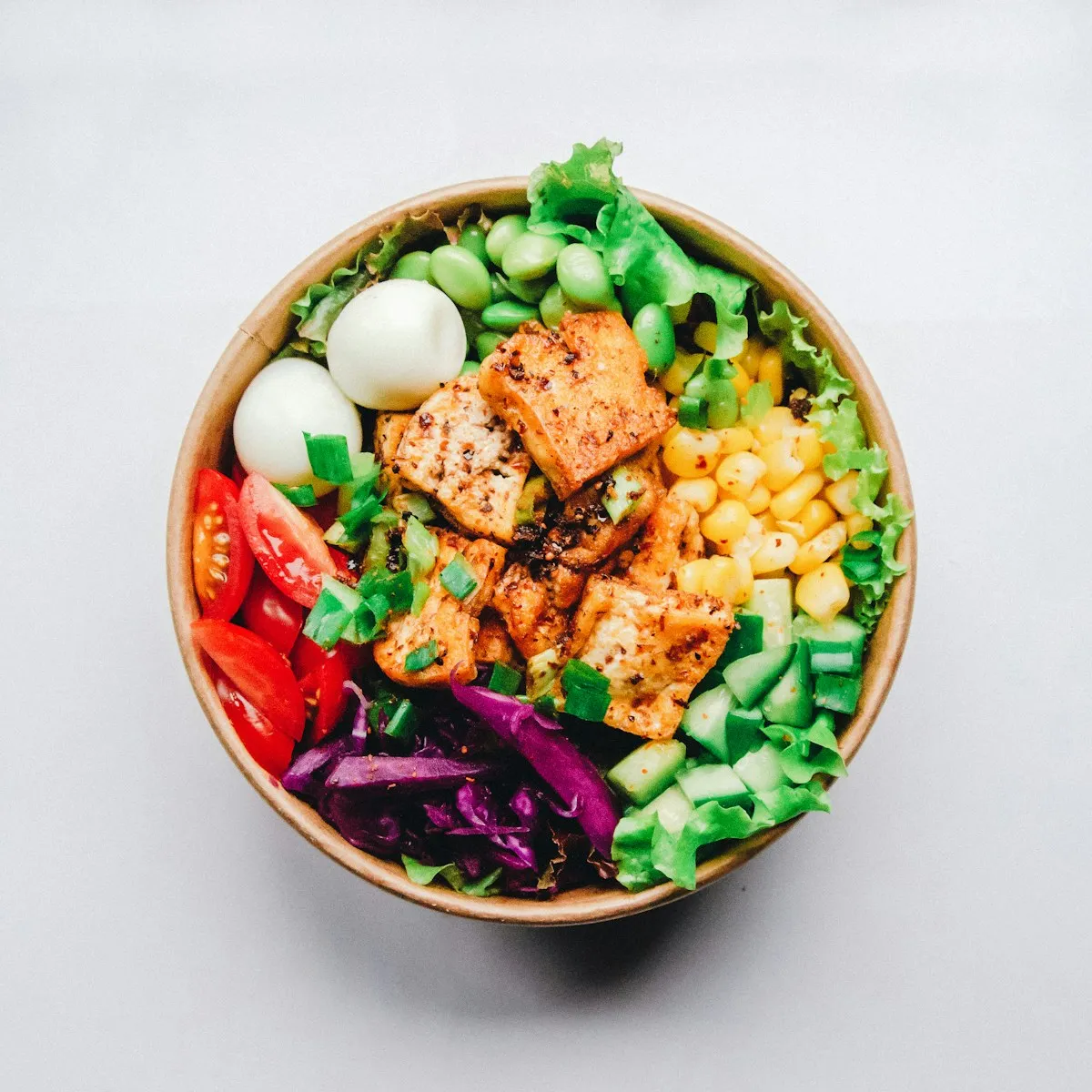
Creating deep, complex flavors in under fifteen minutes sounds like magic, but it’s actually just simple food science. The secret to making canned beans taste like a gourmet meal lies in how you treat them the moment they hit the pan. Never just dump a cold can of beans into a bowl and call it a day.
Start by building a "sofrito" or a flavor base. Use a high-quality fat like extra virgin olive oil or avocado oil. Fat is a flavor carrier; it dissolves the aromatic compounds in your onions, garlic, and peppers, spreading that goodness throughout the entire dish. Sauté your aromatics until they are soft and translucent. This releases their natural sugars through caramelization, providing a sweet counterpoint to the earthy beans.
Next, you must bloom your spices. Use cumin, smoked paprika, or chili powder, and toss them directly into the hot oil with your aromatics for about 30 seconds before adding the beans. Heat wakes up the volatile oils in dried spices, intensifying their aroma and flavor significantly. If you skip this, your spices will taste "dusty" and raw.
Now, here is the non-negotiable rule: use the liquid in the can. That starchy bean water is liquid gold. It contains proteins and starches released during the canning process that, when simmered for just a few minutes, create a rich, creamy sauce that coats every bean. If you rinse your beans, you lose that built-in thickener and end up with a dry, sad bowl. Simmer the beans in their own juice until the liquid reduces and becomes glossy.
Finally, understand the power of acidity. A splash of fresh lime juice or a tiny bit of apple cider vinegar right before serving is essential. Acidity acts like a volume knob for flavor; it cuts through the richness of the beans and the fat, making every other ingredient pop. Without it, the dish will feel heavy and flat. Trust me, do not skip the lime.
These techniques are the foundation for many quick family meals that rely on pantry staples. By mastering the art of the "quick simmer," you can turn a humble 80-cent can of beans into a meal that feels genuinely indulgent. Always taste as you go. If it tastes "boring," it usually needs more salt or more acid. Check the seasoning frequently to ensure the balance is exactly where you want it.
Flipping the Script: Flavor Variations
The beauty of this bowl is its versatility. Once you have the base beans down, you can pivot the entire flavor profile with just a few swaps. For a Mediterranean-style bowl, swap the cumin for dried oregano and lemon juice. Top the beans with a massive dollop of hummus, some fresh cucumber, and a sprinkle of vegan feta. It’s bright, refreshing, and fits perfectly into a rotation of healthy dinner ideas.
If you're craving something smoky and bold, go the "BBQ-ish" route. Add a teaspoon of maple syrup and a dash of liquid smoke to your beans while they simmer. This creates a sweet-and-savory profile that pairs beautifully with roasted sweet potatoes. You can even use leftovers as a topping for other dishes; check out my guide on 15-minute meals for more inspiration on how to keep the kitchen workflow efficient.
For a tropical twist, use coconut oil as your cooking fat and finish the beans with plenty of fresh cilantro and a pinch of allspice. Serve this over coconut-infused rice. The richness of the coconut milk balances the bite of the black beans perfectly. Remember to focus on texture, if your beans are soft, ensure your toppings are crunchy, like toasted pumpkin seeds or even crushed corn chips.
The Perfect Supporting Cast: Side Dish Pairings
A great bowl needs balance, and that usually comes from the sides. To cut through the creaminess of the beans, I always recommend a zesty slaw. Use shredded cabbage, a hit of vinegar, and a touch of salt. Let it sit for ten minutes while you prep the beans. The crunch and high acidity of the cabbage provide a necessary contrast to the soft, warm beans.
If you have a few extra minutes, charred corn is a game-changer. You can throw frozen corn kernels into a dry skillet over high heat until they get those beautiful dark brown spots. This adds a smoky sweetness that elevates the entire meal. For those who love a bit of heat, quick-pickled onions are your best friend. Simply soak sliced red onions in lime juice and a pinch of salt for 10 minutes. They turn a vibrant pink and provide a sharp, tangy bite that wakes up your palate.
If you're looking to expand your menu, consider how these beans could pair with other quick options, like an air fryer sausage pepper onion medley. Even though this bowl is plant-based, the techniques for building flavor in a single pan remain the same across all our recipes.
FAQ: Navigating the Bean World
Why are my canned beans always mushy?
Usually, this happens because you're overcooking them. Remember, canned beans are already cooked! You aren't "cooking" them from scratch; you are just heating them and infusing them with flavor. Stop simmering the moment the liquid has thickened to a saucy consistency. If you keep going, the skins will burst and the interiors will turn to paste.
Can I use dry beans instead?
You can, but not if you want to eat in 15 minutes. Dry beans require soaking and hours of simmering. For quick family meals, canned is the way to go. If you are worried about the "canned" taste, the sautéing and blooming steps mentioned earlier will completely mask it.
Is the liquid in the can safe to eat?
Yes, it’s just water, salt, and starch from the beans. Some people worry about the sodium content. If you are watching your salt intake, look for "low sodium" or "no salt added" cans. You can also rinse the beans and then add a splash of vegetable broth or water to replace the liquid, but you will lose some of that natural creaminess.
What if I don't have lime or vinegar?
You need some form of acid to balance the dish. If you're out of citrus, a splash of juice from a jar of pickled jalapeños or even a tiny bit of yellow mustard can provide that necessary sharp note. Without acid, the beans will taste "flat" no matter how much salt you add.
How do I store leftovers?
These beans actually taste better the next day as the flavors continue to meld. Store them in an airtight container in the fridge for up to four days. When reheating, add a tablespoon of water to loosen up the sauce, as the starch will thicken significantly when cold.
Can I make this in an air fryer?
While the beans themselves need a pan to get saucy, you can use the air fryer for your toppings! It’s great for making crispy tortilla strips or roasting chickpeas for extra crunch. I love exploring air fryer recipes dinner enthusiasts swear by to find ways to add texture to my plant-based bowls. For instance, air-frying some cubed tofu for 10 minutes makes a stellar addition to this black bean base.
Are black beans actually healthy?
Absolutely. They are packed with fiber and plant-based protein, making them a staple for anyone looking for healthy dinner ideas. The fiber helps slow down digestion, meaning you’ll stay full much longer than you would with a simple pasta dish. Plus, they are incredibly cheap, which is a win for both your body and your wallet.
{“@type”:”BlogPosting”,”image”:”https://cdn.marblism.com/8h3fIyYbem7.webp”,”author”:{“name”:”Penny”,”@type”:”Person”},”@context”:”https://schema.org”,”headline”:”Budget-Friendly 15-Minute Plant-Based Black Bean Bowl”,”publisher”:{“logo”:{“url”:”https://cookpedia.com/logo.png”,”@type”:”ImageObject”},”name”:”Cookpedia”,”@type”:”Organization”},”description”:”A quick, soulful, and budget-friendly 15-minute plant-based black bean bowl guide focusing on the science of flavor for busy home cooks.”,”datePublished”:”2026-06-18″,”mainEntityOfPage”:{“@id”:”https://cookpedia.com/budget-friendly-15-minute-plant-based-black-bean-bowl”,”@type”:”WebPage”}}