Recipe
Servings
Servings 1×
Ingredients
- Beans
- Rice
- Eggs
- Broccoli
- Carrots
- Zucchini
- Spinach
- Greens
- Garlic
- Fresh ginger
- Lime
- Peanut butter
- Butter
- Cooking oil
- Soy sauce or tamari
- Sesame
- Chili seasoning
- Salt
Method
- Stir-frying is basically a high-speed chase in a pan.
- Use an oil with a high smoke point, think canola, vegetable, or peanut oil.
- Cook your beaten eggs first in a shimmering hot pan.
- Let them set just until they're soft and pillowy, think "slightly underdone", and then get them out of the pan immediately.
- Keep the pan hot enough that a drop of water dances and evaporates instantly.
- Cut your "hard" veggies (carrots, broccoli stems, cabbage hearts) into thin, uniform slices so they cook at the same rate.
You know those Tuesday nights where the fridge looks like a desolate wasteland and your energy levels are hovering somewhere near zero? I’ve been there. You want something that doesn't cost a fortune, doesn't take an hour, and, most importantly, actually tastes like real food. Enter my go-to: the 15-minute egg and veggie stir-fry. It’s the ultimate kitchen hero. By using humble eggs as our protein and whatever veggies are hanging out in the crisper drawer, we create a meal that’s faster than delivery and significantly more satisfying. This isn't just a "clean out the fridge" meal; it's a strategic, flavor-packed win for quick family meals.
The Science of the Sizzle: Master the High-Heat Stir-Fry
Stir-frying is basically a high-speed chase in a pan. If you aren't moving fast, things go south quickly. The secret to that restaurant-quality finish isn't a fancy stove; it’s understanding the science of heat management and protein behavior.
Respect the Smoke Point
First, stop reaching for the butter or extra virgin olive oil. At the temperatures required for a proper stir-fry, those fats will smoke and turn acrid before your carrots even think about softening. Use an oil with a high smoke point, think canola, vegetable, or peanut oil. We need the pan "scary hot" before the food touches it. This high heat triggers the Maillard reaction, that magical chemical dance between amino acids and reducing sugars that creates the savory, charred "wok hei" flavor we crave.
The Egg Dilemma: Texture vs. Rubber
Eggs are temperamental. Their proteins begin to coagulate at around 140°F (60°C). If you keep them over high heat for too long, those protein strands tighten up like a stressed-out executive, squeezing out all their moisture. The result? Dry, rubbery bits that bounce off the plate.
Avoid this by using the "remove and return" method. Cook your beaten eggs first in a shimmering hot pan. Let them set just until they're soft and pillowy, think "slightly underdone", and then get them out of the pan immediately. They will finish cooking with residual heat on the plate and again when you toss them back in at the very end. This keeps them tender and creamy, providing a rich contrast to the crunchy vegetables.
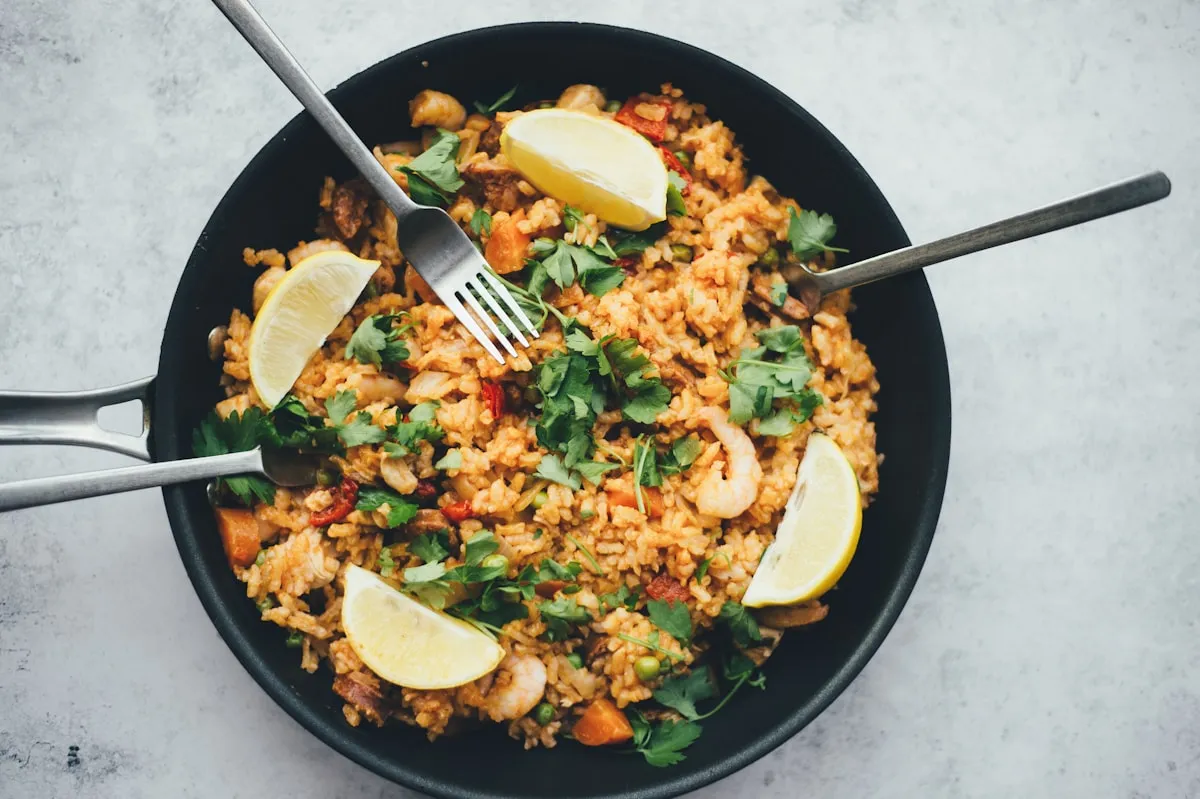
Don't Overcrowd the Pan
One of the biggest mistakes in creating healthy dinner ideas is trying to cook too much at once. If you dump three pounds of vegetables into a standard skillet, the pan temperature will plummet. Instead of searing, your veggies will start leaking water and steaming in their own juices. You’ll end up with a soggy, grey mess. If you’re cooking for a crowd, work in batches. Keep the pan hot enough that a drop of water dances and evaporates instantly.
Prep is Non-Negotiable
Since the actual cooking happens in under five minutes, you cannot be chopping while the pan is on. This is what the pros call mise en place. Cut your "hard" veggies (carrots, broccoli stems, cabbage hearts) into thin, uniform slices so they cook at the same rate. Keep your "soft" veggies (spinach, bean sprouts, zucchini) separate, as they only need a few seconds of heat to wilt.
Flavor Variations: Beyond the Basic Soy
While a simple splash of soy sauce is great, you can elevate this dish with a few budget-friendly pantry staples. The key to a balanced stir-fry is hitting multiple taste profiles: salty, sweet, and acidic.
- The Acid Kick: If your stir-fry tastes "flat," it’s likely missing acidity. A tiny splash of rice vinegar or even a squeeze of lime at the very end brightens everything up. The acid cuts through the richness of the egg yolks and balances the salt.
- The Aromatics: Never skip the garlic and ginger. If you’re using fresh, add them right before the vegetables so they don't burn. If you're on a budget or in a rush, even a dash of garlic powder added to your sauce works in a pinch.
- The Heat Factor: I love adding a teaspoon of chili flakes or a dollop of whatever spicy paste is in the fridge. Heat wakes up the palate and makes simple ingredients feel more complex.
- The Crunch: If you have some leftover nuts or seeds, toss them in at the end. Toasted sesame seeds or crushed peanuts add a layer of texture that makes this feel like a "real" meal rather than a quick fix.
If you’re looking for more ways to use your kitchen gadgets for efficiency, check out our air fryer recipes dinner ideas, which use the same "high heat, fast cook" philosophy to get meals on the table without the stress.
Side Dish Pairings: Rounding Out the Meal
A stir-fry is a powerhouse on its own, but sometimes you need a little something extra to make it a full feast. Since we’re focusing on quick family meals, keep the sides low-effort.
- Quick Grains: A bowl of steamed jasmine rice is the classic choice. If you’re in a rush, use the pre-cooked pouches that heat up in 90 seconds. The rice acts as a sponge for any leftover sauce.
- Noodle Hack: You can toss cooked ramen noodles (minus the flavor packet!) directly into the pan at the end. If you want something even more decadent, try our viral garlic butter ramen hack as a base for your veggies and eggs.
- Simple Salad: A quick cucumber salad with a splash of vinegar and sesame oil provides a cool, crisp contrast to the hot, savory stir-fry. It’s a great way to add volume to the meal without much cost.
Troubleshooting FAQ: What if it Goes Wrong?
Why are my vegetables so soggy?
This usually comes down to two things: a cold pan or too much water. Make sure your vegetables are bone-dry before they hit the pan. If you just washed your broccoli and it's dripping wet, that water will turn to steam instantly, preventing browning. Also, ensure your heat is on the highest setting your stove can handle.
Can I use frozen vegetables?
Absolutely! Frozen veggies are a staple for healthy dinner ideas on a budget. However, do not thaw them first. Thawing makes them mushy. Toss them into the screaming hot pan straight from the freezer. The high heat will evaporate the ice crystals quickly, giving you a much better texture than if they sat in a bowl of melt-water for twenty minutes.
My sauce disappeared or turned into a thick paste!
If you use too much cornstarch or sugar in your sauce, it can over-reduce and become gummy. If this happens, don't panic. Add a tablespoon of water or broth to the pan and toss vigorously. This will "deglaze" the pan and loosen the sauce back into a silky coating.
Is this recipe keto-friendly?
Yes, as long as you watch your sauce ingredients. Stick to tamari or liquid aminos instead of high-sugar hoisin or teriyaki sauces. Focus on low-carb veggies like cabbage, bell peppers, and spinach. For more inspiration, our keto-friendly breakfast ideas use similar high-protein, low-carb principles.
How do I scale this for a family?
Don't just double the ingredients in one pan. As mentioned, overcrowding is the enemy. Either use two pans simultaneously or cook the vegetables in two separate batches, combining everything at the very end just to heat through. This ensures everyone gets those "crisp-tender" bites instead of a giant pile of mush.
Cooking doesn't have to be a multi-hour production. Sometimes, the most soulful meals come from the simplest techniques and the most basic ingredients. Grab your skillet, crank up the heat, and remember: move fast, keep it hot, and don't overcook those eggs!
{“@type”:”BlogPosting”,”image”:”https://image.pollinations.ai/prompt/A%20vibrant%20steaming%20egg%20and%20vegetable%20stir-fry%20in%20a%20dark%20cast-iron%20skillet.%20Soft%20golden%20scrambled%20egg%20ribbons%20tossed%20with%20crisp-tender%20ribbons%20of%20green%20cabbage%20bright%20orange%20julienned%20carrots%20and%20thin%20slices%20of%20red%20bell%20pepper.%20Natural%20window%20light%20highlights%20textures%20of%20charred%20vegetables%20and%20tender%20eggs.%20High-quality%20natural-light%20food%20photography%20with%20warm%20inviting%20tones.?width=1280&height=720&nologo=true”,”author”:{“name”:”Penny”,”@type”:”Person”},”@context”:”https://schema.org”,”headline”:”Budget-Friendly 15-Minute Egg and Veggie Stir-Fry”,”keywords”:”air fryer recipes dinner, quick family meals, healthy dinner ideas, 15 minute meals, stir fry science”,”publisher”:{“logo”:{“url”:”https://cookpedia.com/logo.png”,”@type”:”ImageObject”},”name”:”Cookpedia”,”@type”:”Organization”},”description”:”Learn the science behind a perfect 15-minute egg and vegetable stir-fry. A budget-friendly, healthy dinner idea for busy weeknights using simple pantry staples.”,”datePublished”:”2026-06-17″,”articleSection”:”Recipes”,”mainEntityOfPage”:{“@id”:”https://cookpedia.com/budget-friendly-15-minute-egg-and-veggie-stir-fry”,”@type”:”WebPage”}}