Recipe
Servings
Servings 1×
Ingredients
- Ground turkey
- Pasta
- Zucchini
- Spinach
- Tomatoes
- Lemon
- Black pepper
Method
- Use a heavy skillet and don't crowd the pan.
- Mix half your cheese into the pasta and sauce mixture before it goes into the dish.
- Fold in two cups of fresh baby spinach or some finely diced zucchini into the hot sauce.
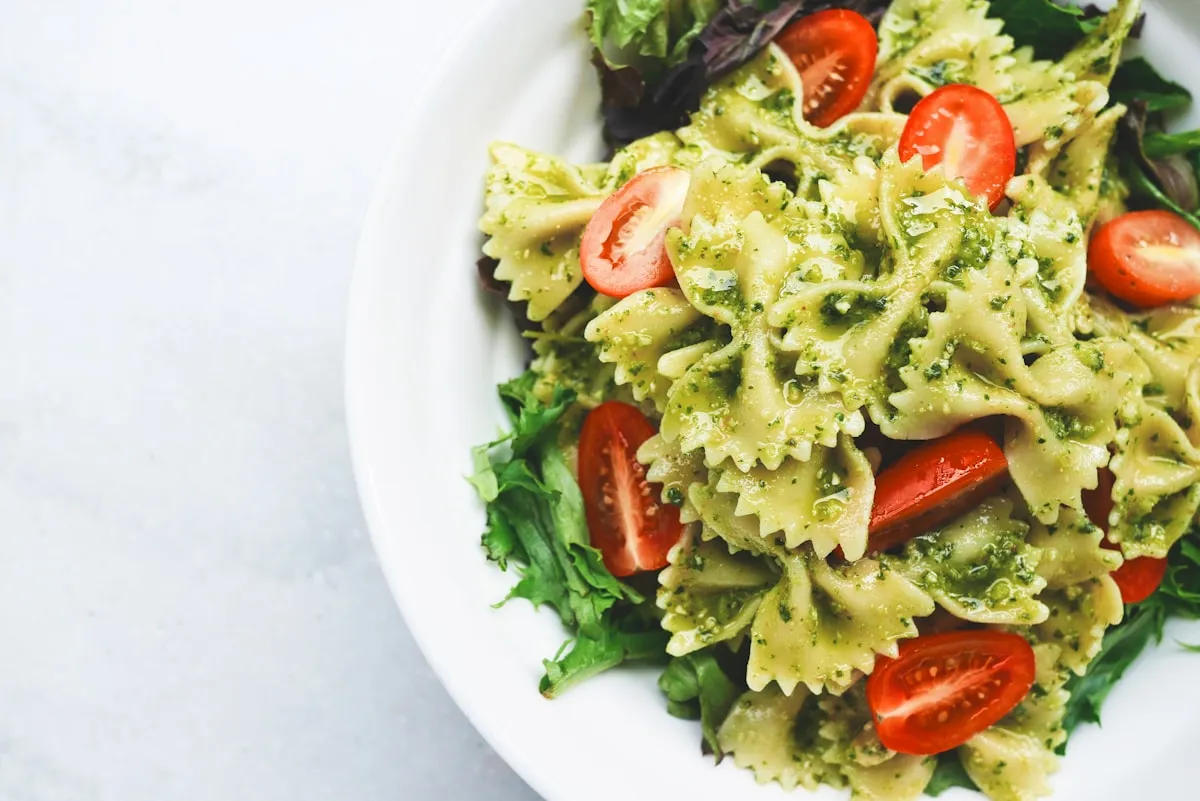
There is something undeniably soulful about a bubbling tray of pasta coming out of the oven. It’s the kind of meal that makes the kitchen feel like the warmest room in the house. While the classic version usually leans on heavy beef, I’ve found that switching to ground turkey is one of the smartest budget friendly recipes moves you can make. It’s leaner, lighter, and when you treat the meat with a little scientific respect, it carries the flavor of your marinara just as well as beef ever could.
Mastering the Bake: The Science of Texture
If you want to move from a "good" pasta bake to a "legendary" one, you have to understand the physics of the oven. Most home cooks make the mistake of treating the boiling pot and the baking dish as two separate events. They aren't. They are a continuous cooking cycle.
First, let's talk about the Al Dente imperative. Do not follow the package instructions for boiling your ziti. If the box says 10 minutes, you pull that pasta at 7 or 8 minutes. You want it to have a definite, almost annoying "bite" in the center. Why? Because once that pasta hits the sauce and goes into a 375°F oven, it starts absorbing moisture again. If it’s already soft when it goes in, it will emerge as a mushy, structureless mess. Aim for "under-done" so the oven can finish the job.
Next, respect the "fond." When you are browning your ground turkey, don’t just grey it out. Push the heat. You want those little brown bits, the Maillard reaction in action, to form on the bottom of your pan. This is where the savory depth comes from. Ground turkey is naturally leaner than beef, so it lacks that built-in fat-flavor; you have to create it through searing. Use a heavy skillet and don't crowd the pan. If the meat starts steaming instead of sizzling, you’ve lost the battle.
Another non-negotiable is the "Starch Water Reserve." Before you drain your pasta, scoop out a cup of that cloudy, salty water. This is liquid gold. The starch in the water acts as an emulsifier. When you mix your sauce and meat, splash a bit of that water in. It helps the sauce cling to the smooth surface of the ziti rather than just sliding off to the bottom of the dish. It creates a cohesive, silky mouthfeel that makes the whole dish feel more professional.
Finally, think about cheese distribution. Avoid the temptation to just dump a mountain of mozzarella on top and call it a day. If you do that, you create a "cheese lid" that prevents steam from escaping, often leading to a watery sauce. Instead, use a layering strategy. Mix half your cheese into the pasta and sauce mixture before it goes into the dish. This ensures every bite has that stretchy, gooey texture, while the top layer can focus on getting those crispy, browned edges that everyone fights over.
Flavor Flexing: Variations for Every Mood
The beauty of this dish is its versatility. Once you have the foundation of the ziti and the turkey, you can pivot the flavor profile to suit what’s in your pantry. If you’re looking for healthy dinner ideas, try the "Green Boost" variation. Fold in two cups of fresh baby spinach or some finely diced zucchini into the hot sauce. The residual heat will wilt the greens perfectly without making them slimy, adding volume and nutrients without changing the comfort-food vibe.
For those who crave a bit of heat, the "Spicy Arrabbiata" twist is the way to go. Crank up the red pepper flakes when you’re browning the turkey. The heat blooms in the fat of the meat, creating a deeper, more resonant spice than if you just sprinkled it on at the end. You can also swap half the ground turkey for Italian turkey sausage if you want that fennel-heavy, traditional profile.
If you want a more sophisticated, "Date Night" version, try adding a dollop of ricotta mixed with lemon zest and fresh nutmeg between the layers. The acidity of the lemon cuts through the richness of the cheese, and the nutmeg brings out the sweetness of the tomatoes. It transforms a standard weeknight meal into something that feels intentional and elevated.
Side Dish Pairings: Balancing the Plate
Baked ziti is a heavy hitter, it's carb-dense and cheese-forward. To make this part of your rotation of quick family meals, you need side dishes that provide contrast. Avoid serving this with more heavy starches like garlic bread unless you're prepared for a serious nap afterward.
Instead, look for acidity and crunch. A simple arugula salad with a sharp lemon vinaigrette is the perfect foil for the rich, tomato-heavy pasta. The bitterness of the greens and the zip of the citrus cleanse the palate between bites of cheesy ziti.
Roasted vegetables are another winner. Toss some broccoli florets or asparagus with olive oil and salt, and slide them into the oven alongside the pasta. The high-heat roasting brings out a natural sweetness and a charred texture that complements the softness of the bake. If you’re looking to save time, you can even look into air fryer recipes dinner hacks, using your air fryer to crisp up some zucchini fries or kale chips in under 10 minutes while the pasta finishes its stint in the big oven.
FAQ: Solving the Common "What-Ifs"
What if my baked ziti always comes out dry?
Dryness is usually a result of the pasta-to-sauce ratio being off. Remember that the pasta will continue to absorb liquid in the oven. Your mixture should look "too saucy" before you put it in the pan. If it looks perfectly balanced on the counter, it will be dry by the time the cheese melts. Always err on the side of extra sauce.
Can I make this ahead of time?
Yes, but with a caveat. If you assemble it a day early, the pasta will sit in the sauce and absorb moisture overnight. If you plan to do this, cook your pasta even less than usual: almost to the point of being crunchy. Store the sauce and pasta separately if possible, or just be prepared for a softer texture. For the best results, assemble it right before you want to eat.
Why does my cheese sometimes turn oily instead of melting?
This usually happens with pre-shredded cheese. Those bags are coated in potato starch or cellulose to prevent clumping, which interferes with the melting process and can lead to a grainy, oily mess. Buy a block of low-moisture mozzarella and grate it yourself. The difference in meltability is scientific: and delicious.
How do I reheat leftovers without the pasta getting rubbery?
Microwaves are the enemy of leftover pasta. They heat unevenly and zap the moisture out of the sauce. Instead, put a portion in a small oven-safe dish, add a tiny splash of water or extra marinara, cover it with foil, and pop it into a toaster oven or air fryer at 325°F. The steam will re-hydrate the noodles and restore that "fresh-baked" texture.
Can I freeze a whole tray of this?
Absolutely. It's one of the best budget friendly recipes for meal prepping. Assemble the dish but do not bake it. Wrap it tightly in plastic wrap followed by aluminum foil to prevent freezer burn. When you're ready to eat, let it thaw in the fridge for 24 hours, then bake as directed. It might need an extra 10 minutes in the oven since it starts cold.
Does it matter what kind of marinara I use?
Since this is a simple dish, the sauce is doing a lot of the heavy lifting. If you’re using a store-bought jar, check the ingredients. Avoid anything with high corn syrup content. A simple, tomato-forward sauce with olive oil and herbs will yield a much cleaner, more "home-cooked" flavor than the sugar-heavy alternatives.