Recipe
Servings
2 servings 1×
Serves 2Prep 10 minCook 12 minTotal 22 min
Nutrition per serving
Ingredients
- 2 large peaches sliced
- 1/2 cup rolled oats for the convective crunch
- 2 tbsp cold butter cubed
- 1 tbsp brown sugar
- 1 tsp cinnamon
Method
- Divide peaches into ramekins.
- Use smaller vessels to maximize surface-area-to-volume ratio for conduction.
- Mix oats, butter, sugar, and cinnamon.
- Press firmly onto fruit.
- The fruit moisture acts as glue to prevent ‘flying oats’ in the wind tunnel.
- Cook at 350°F for 12 minutes.
- The topping crisps via convection while the peaches soften gently via conduction from the ramekin walls.
There is something inherently romantic about a peach crumble. It’s the quintessential summer dessert, but let’s be honest: preheating a massive oven just to bake a small dish of fruit is a logistical nightmare when you’re already sweating through your shirt. That’s where my blog usually turns to the magic of the air fryer. By shrinking the cooking chamber, we aren’t just saving time; we’re fundamentally changing how heat interacts with our fruit and topping. This isn’t just a “hack”, it’s a masterclass in thermal physics that results in the perfect bite.
The Science of the Sizzle: Convection vs. Conduction
When you slide a ramekin of peaches into that basket, you’re initiating a high-stakes duel between two types of heat transfer. Understanding this is the key to mastering air fryer recipes dinner or dessert. In a traditional oven, you’re mostly relying on ambient air temperature and a bit of radiation from the walls. In an air fryer, the game is rigged in favor of convection.
Convection is the transfer of heat through the movement of a fluid, in this case, air. The air fryer’s fan moves hot air at high velocities, which strips away the “boundary layer” of cool air that usually surrounds your food. This is why the crumble topping gets so incredibly crispy so fast. The moving air hits those butter-clumped oats and instantly begins dehydrating the surface, triggering the Maillard reaction and caramelization long before the fruit underneath turns to mush.
However, the peaches themselves are largely shielded by that very topping. They rely on conduction. Conduction is heat transfer through direct contact. As the hot air heats the ceramic or metal dish, the dish then transfers that energy into the peaches. This is a slower, gentler process. This “thermal lag” is actually your best friend. It allows the peaches to soften and release their pectins, creating that syrupy, jammy bottom, without overcooking the fruit into a watery soup.
To maximize this effect, use smaller, individual ramekins rather than one large dish. Smaller vessels have a higher surface-area-to-volume ratio, meaning more conduction can happen from the sides of the dish. Also, choose your vessel wisely. Metal conducts heat faster than ceramic, which is great if your peaches are particularly firm, but ceramic offers a gentler, more even heat that prevents the bottom from scorching before the top is done.
Stop treating your air fryer like a small oven and start treating it like a precision tool. Avoid overfilling the basket; if the air can’t circulate around the sides of your ramekins, you lose that convective punch, and your topping will end up sad and doughy. Check the progress early. Because the air is moving so fast, the window between “golden brown” and “charcoal” is much smaller than you’re used to.
Flavor Balancing and Variations
Once you’ve mastered the physics, you can start playing with the chemistry. The goal of any great fruit dessert is balance. Peaches are naturally high in sugar but often lack the sharp acidity needed to keep a dessert from feeling cloying. When looking for quick family meals, we often prioritize speed, but even a fast dessert needs nuance.
- The Acid Kick: If your peaches are super ripe and sweet, add a squeeze of lemon juice or even a splash of balsamic vinegar to the fruit layer. The acidity cuts through the richness of the butter in the topping, making the whole dish feel lighter and more refreshed.
- The Textural Shift: Swap out some of the oats in your topping for chopped pecans or walnuts. The oils in the nuts react beautifully to the convective heat, toasted to perfection while the fruit simmers below.
- The Fat Factor: While butter is the gold standard for flavor, using cold coconut oil can create a surprisingly “shattery” texture that is entirely vegan-friendly. It’s a great addition to your rotation of healthy dinner ideas.
- Spice Science: Don’t stop at cinnamon. Cardamom or a tiny pinch of black pepper can emphasize the floral notes of the peach. The high heat of the air fryer tends to “bloom” these spices quickly, so a little goes a long way.
Side Dish Pairings: Creating the Perfect Contrast
A peach crumble is a hot, textural powerhouse, which means its best friends are cold and smooth. The physics of “thermal contrast” is why we love the classic pairing of hot pie and cold ice cream.
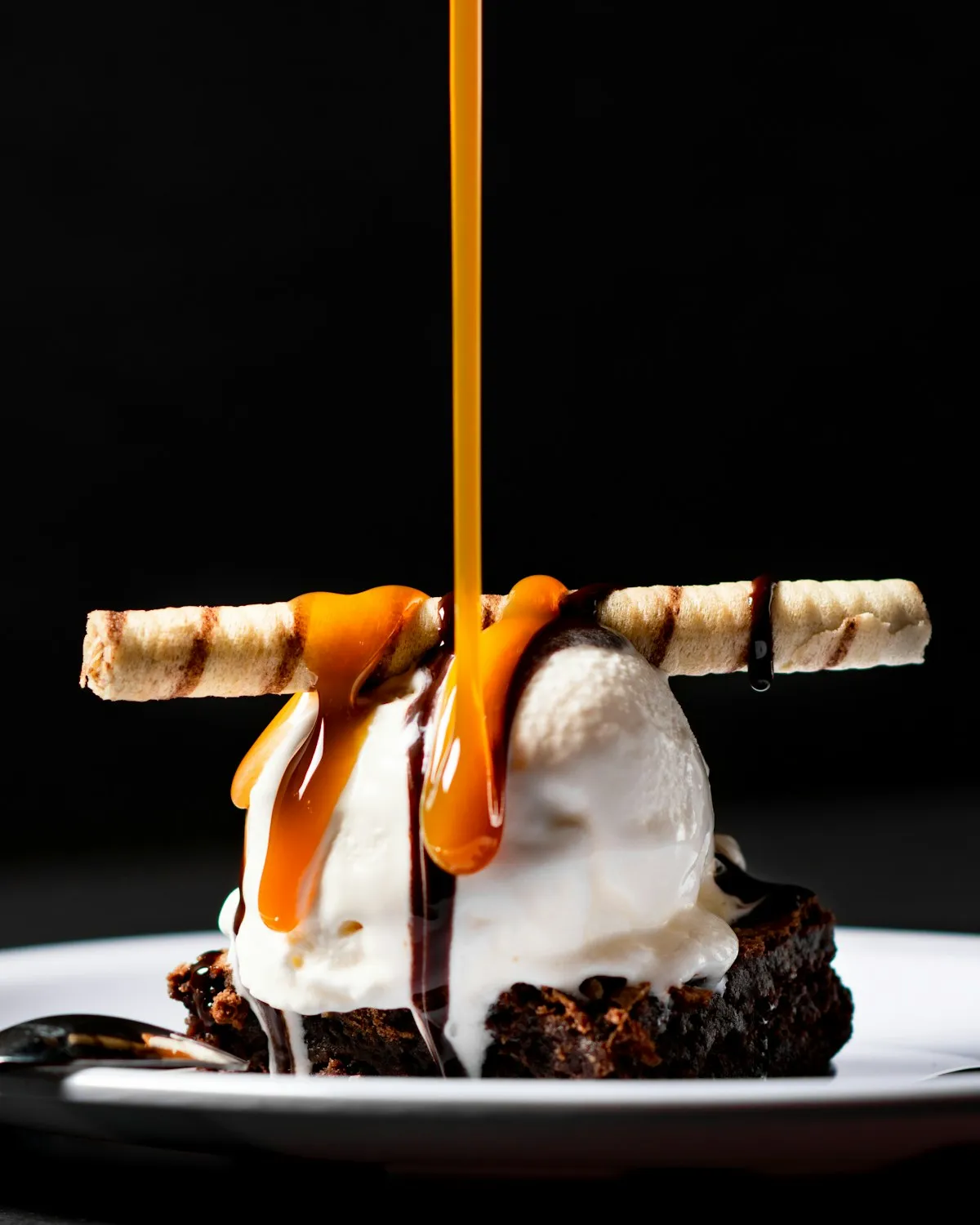
A scoop of high-quality vanilla bean ice cream is the non-negotiable standard here. As the ice cream melts into the nooks and crannies of the warm crumble, it creates a secondary sauce that marries the crispy top to the soft fruit. If you want something a bit more sophisticated, try a dollop of cold crème fraîche or Greek yogurt. The tanginess of the fermented dairy acts as a palate cleanser, highlighting the natural sweetness of the peaches without overwhelming them.
For a drink pairing, consider something that echoes the stone fruit notes. A chilled Moscato d’Asti provides a light effervescence that scrubs the tongue, while a small pour of bourbon (served neat) can pull out the smoky, caramelized notes of the brown sugar in the crumble. If you’re keeping it family-friendly, a cold ginger ale with a sprig of fresh mint offers a spicy, refreshing counterpoint to the warm, spiced peaches.
Common Questions and Troubleshooting
Why is my crumble topping still floury but the edges are burning?
This is a classic convection fail. It usually happens if the fat (butter) wasn’t incorporated properly or if the air is moving too fast and drying out the flour before the butter can melt and bind it. Use a fork to ensure your butter bits are roughly the size of peas and evenly distributed. If the edges are burning, your dish might be too close to the heating element. Lower your temperature by 25 degrees and increase the time slightly.
Can I use frozen peaches for this?
Yes, but you have to account for the extra moisture. Frozen fruit releases significantly more water as the cell walls have been damaged by ice crystals. To prevent a soggy bottom, toss the frozen slices with a small amount of cornstarch or arrowroot powder. This will help thicken the juices as they release, ensuring your conduction-heated base remains syrupy rather than watery.
How do I prevent the "flying oats" problem?
Air fryers are essentially wind tunnels. If your crumble topping is too light and dry, the fan might literally blow it off the fruit and into the nether regions of your machine. Always press the topping down firmly onto the fruit with the back of a spoon to "lock" it in place. The moisture from the fruit will act as a glue.
Does the type of dish really matter that much?
Absolutely. If you want the fastest result for quick family meals, go with thin metal tins. If you want a dessert that stays warm on the table for 20 minutes, go with thick ceramic. Just remember that the thicker the dish, the more "pre-heating" the fruit needs through conduction, so you might need to give the fruit a 2-minute head start in the air fryer before adding the topping.
My topping is crispy, but the peaches are still firm. What happened?
You’ve got too much convection and not enough conduction. This often happens with very hard, underripe peaches. In this case, cover the ramekin with a small piece of foil for the first half of the cooking time. This blocks the convective air from browning the top too quickly and traps steam, which helps soften the fruit via a humid environment. Remove the foil for the final few minutes to get that signature crunch.
Mastering the air fryer means mastering the air itself. Once you understand how that heat moves, you can turn a simple basket of peaches into a restaurant-quality finish for any of your healthy dinner ideas. Happy frying!