Recipe
Servings
Servings 1×
Ingredients
- Chicken
- Noodles
- Zucchini
- Kale
- Avocado
- Tomatoes
- Garlic
- Lemon
- Balsamic vinegar
- Pesto
- Feta
- Cooking oil
- Salt
- Black pepper
Method
- Let’s be honest: chicken breast is the ultimate blank canvas, but in the wrong hands, it’s a dry, flavorless tragedy.
- Cook in batches if necessary.
- Use wooden toothpicks to seal the opening of the chicken breast.
Let’s be honest: chicken breast is the ultimate blank canvas, but in the wrong hands, it’s a dry, flavorless tragedy. You’ve been there, sawing through a piece of poultry that has the structural integrity of a flip-flop. But what if I told you that a handful of Italian staples and a high-velocity fan could turn that boring bird into a five-star masterpiece? This isn't just another dinner; it’s a masterclass in moisture management and flavor physics.
The Convection Connection: The Science of the Sizzle
To master the art of the stuffed breast, you first have to understand what’s happening inside that humming basket. Your air fryer is essentially a miniature convection oven on steroids. It uses a powerful fan to circulate superheated air at high speeds, which is the secret sauce to achieving that glorious browning we call the Maillard reaction. This chemical reaction between amino acids and reducing sugars is what gives your chicken that savory, complex flavor and golden-brown crust.
However, air frying can be a double-edged sword. That same high-velocity air that creates a crisp exterior is also incredibly efficient at stealing moisture. This is why stuffing the chicken is a stroke of genius. When you tuck fresh mozzarella, basil, and tomato into a pocket, you aren't just adding flavor; you are creating an internal steam chamber. As the mozzarella melts, it releases moisture and fats that baste the chicken from the inside out. Meanwhile, the tomato slices act as a thermal buffer, slowing down the heat transfer to the center of the breast and preventing the lean meat from overcooking before the outside is ready.
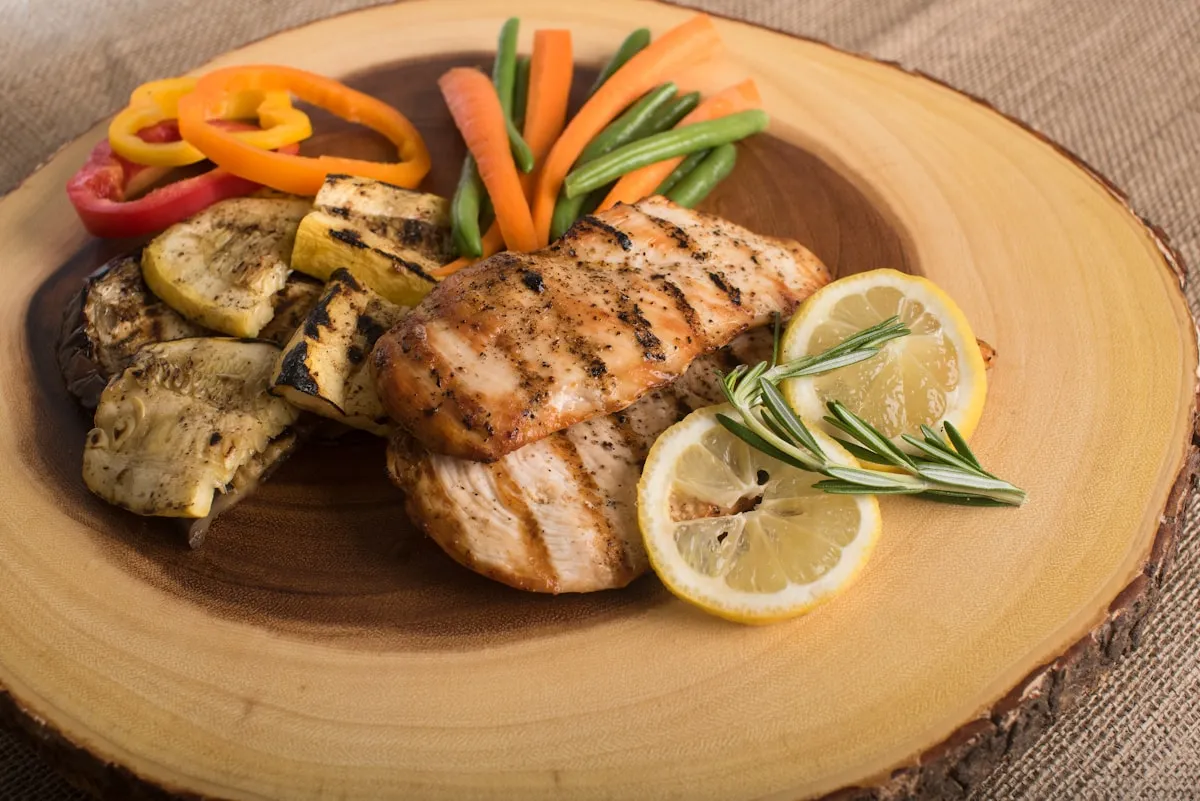
To maximize this effect, use an instant-read thermometer. Stop thinking of it as a luxury; it’s a non-negotiable tool for anyone serious about healthy dinner ideas. Aim for an internal temperature of 165°F (74°C). Pull the chicken out when it hits 160°F, as carryover cooking will do the rest of the work while the meat rests. This resting period is vital. It allows the muscle fibers to relax and reabsorb those precious juices. If you cut into it too early, you’re just watching your hard work drain onto the plate.
Check your airflow. Do not crowd the basket. If you cram four massive breasts into a small drawer, the air cannot circulate, and you’ll end up with a soggy, steamed mess instead of a crisp delight. Cook in batches if necessary. The goal is to let the air touch every square millimeter of the chicken's surface. This ensures the Maillard reaction occurs evenly, giving you that satisfying "snap" when you bite into the seasoned skin.
Secure the pocket. Use wooden toothpicks to seal the opening of the chicken breast. This prevents the mozzarella from staging a "great escape" into the bottom of your air fryer. If the cheese leaks out too early, it will burn and smoke, ruining the delicate aroma of the fresh basil. Lightly coat the exterior of the chicken with a high-smoke-point oil like avocado or light olive oil. Avoid extra virgin olive oil for the air fryer, as its low smoke point can lead to bitter flavors at high temperatures.
Beyond the Basil: Flavor Variations
While the classic Caprese trio is a powerhouse, your air fryer is a versatile beast that welcomes experimentation. These quick family meals shouldn't feel like a chore, so feel free to pivot based on what’s in your fridge. Consider a Mediterranean twist by swapping fresh tomatoes for sun-dried ones. The concentrated sugars in sun-dried tomatoes caramelize beautifully under the intense heat of the air fryer, adding a deep, umami-rich sweetness that pairs perfectly with a salty feta or sharp provolone.
For a bolder profile, introduce a layer of pesto. A thin smear of basil or kale pesto inside the pocket provides an extra layer of fat, which further protects the lean breast tissue from drying out. If you're feeling adventurous, try a "Spanish Caprese" using manchego cheese, roasted red peppers, and a sliver of serrano ham. The principle remains the same: the stuffing provides internal moisture while the circulating air handles the external crunch.
Avoid using high-moisture fruits or vegetables like zucchini inside the pocket, as they can release too much water and turn the interior into a swamp. Stick to low-moisture cheeses and dense aromatics. If you want a bit of heat, a thin slice of jalapeño or a pinch of red pepper flakes can cut through the richness of the melted cheese. Whatever variation you choose, remember to season both the inside of the pocket and the outside of the breast. Salt is a flavor magnifier; use it generously but wisely.
The Perfect Plate: Side Dish Pairings
Balance is the name of the game when it comes to air fryer recipes dinner. Since the stuffed chicken is rich, creamy, and savory, you want a side dish that offers acidity and brightness to cleanse the palate. A simple arugula salad is a classic choice for a reason. The peppery bite of the greens and a sharp balsamic vinaigrette provide a much-needed contrast to the mellow mozzarella.
If you're looking for something heartier, air-fried Brussels sprouts are a fantastic option. They can cook at the same temperature as the chicken, making your life in the kitchen significantly easier. The charred outer leaves of the sprouts echo the crispy exterior of the chicken, while their earthy sweetness complements the acidity of the cooked tomatoes. For a low-carb alternative, serve the chicken over a bed of zoodles (zucchini noodles) lightly tossed in lemon juice and garlic. The heat from the chicken will slightly soften the zoodles without making them mushy, creating a cohesive, healthy dinner experience.
FAQ: Solving Your Stuffed Chicken Dilemmas
What if my cheese keeps leaking out and burning?
This is usually a result of either an oversized pocket or insufficient sealing. When you cut the pocket into the chicken, ensure you don't slice all the way through to the other side. Think of it as a pita pocket, not a sandwich. Use at least three toothpicks to "sew" the edge shut. Additionally, try chilling the mozzarella slightly before stuffing; it will take longer to melt, giving the chicken surface time to sear before the cheese becomes fully liquid.
Can I use frozen chicken breasts for this?
Technically, you can, but I strongly advise against it for stuffing. Thawing is essential. If the center of the chicken is still icy when you start, the exterior will be bone-dry by the time the stuffing reaches a safe temperature. Thaw your chicken completely in the refrigerator overnight and pat it dry with paper towels. Moisture on the surface is the enemy of browning; if the chicken is wet, the energy from the air fryer will go toward evaporating that water instead of creating a crust.
Why is my chicken golden on top but pale on the bottom?
Welcome to the reality of airflow. Even with a mesh basket, the bottom of the chicken doesn't get as much direct heat as the top. Flip the chicken halfway through the cooking cycle. Use silicone-tipped tongs to avoid tearing the skin or dislodging the toothpicks. Flipping ensures that the Maillard reaction occurs on both sides, giving you a consistent texture throughout.
My basil turned black and bitter. What happened?
Fresh basil is delicate and doesn't love the 400°F environment of an air fryer if it’s exposed. Ensure your basil leaves are tucked deep inside the pocket, fully shielded by the chicken and the cheese. If you want that bright, fresh basil flavor, save a few leaves to chiffonade (thinly slice) and sprinkle over the chicken after it has finished cooking and resting. The residual heat will release the oils without incinerating the leaves.
How do I know if the chicken is actually cooked without cutting into it?
Stop guessing and use a meat thermometer. Insert the probe into the thickest part of the meat, avoiding the stuffing. If you hit the cheese, you'll get a false high reading. Once the meat reaches 160°F, remove it. The temperature will climb to the safe 165°F as it rests on your dinner table. Trust the science, and you’ll never have to eat dry chicken again.