Recipe
Servings
Servings 1×
Ingredients
- Chicken
- Lentils
- Potatoes
- Carrots
- Avocado
- Onion
- Garlic
- Lemon
- Lime
- Feta
- Cooking oil
- Salt
Method
- Let’s be honest: walking through the produce aisle can feel a bit like a blind date.
- Give each piece its own "personal space" on a flat, shallow sheet pan.
- Use two pans if you have to.
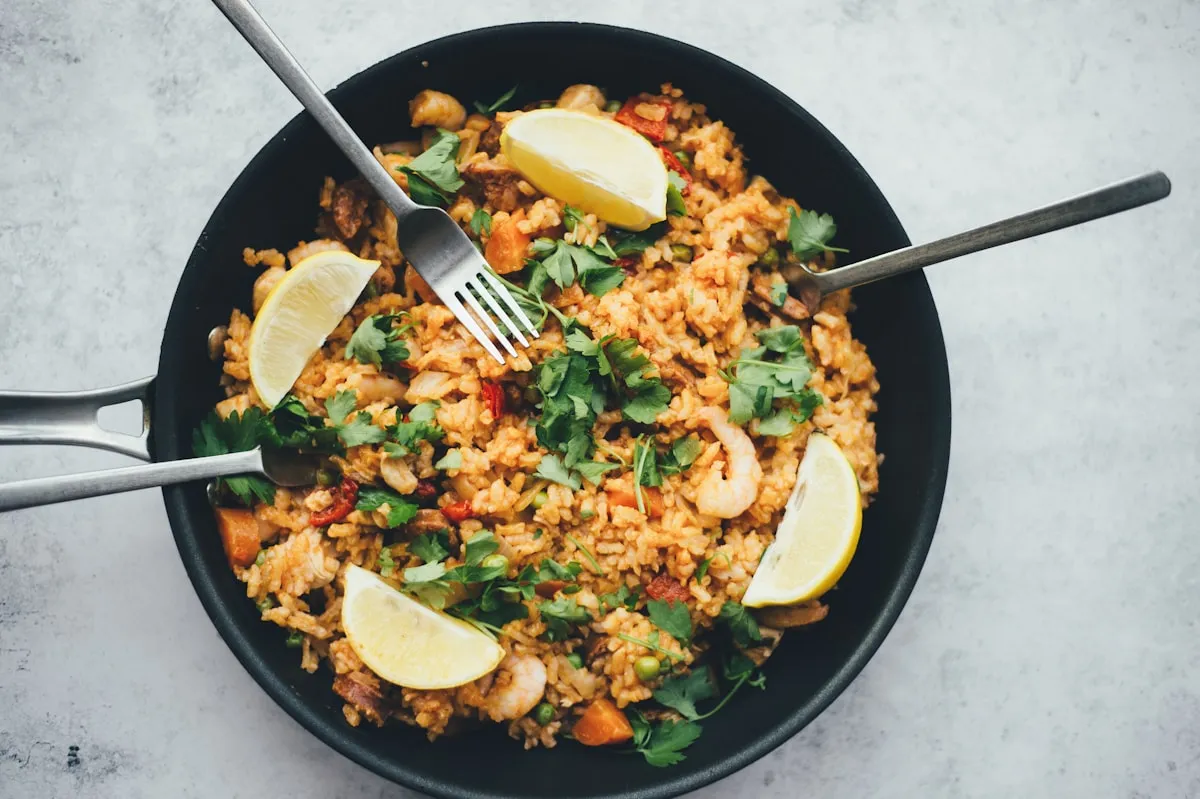
Let’s be honest: walking through the produce aisle can feel a bit like a blind date. You see the usual suspects, potatoes, carrots, maybe an onion, and you feel safe. But then you spot it. The fennel bulb. It looks like a cross between an onion and a piece of alien coral with its wispy green fronds. You keep walking because "scary" veggies feel high-maintenance. Stop doing that! Root vegetables are the unsung heroes of healthy dinner ideas, and mastering them is the secret to elevating your weeknight game from "meh" to "gourmet."
The Science of the Sizzle: Why Your Veggies Aren't Crisping
Roasting isn't just about throwing things in a hot box; it’s a chemical transformation. If you’ve ever pulled a tray of limp, gray parsnips out of the oven, you’ve failed the Maillard reaction test. This is the holy grail of cooking, the reaction between amino acids and reducing sugars that gives browned food its distinctive flavor. To get there, you need to manage three things: moisture, surface area, and heat.
First, stop crowding your pan. This is the single biggest mistake home cooks make. When you pile vegetables on top of each other, the moisture escaping from them gets trapped. Instead of roasting, your vegetables start steaming in their own juices. Give each piece its own "personal space" on a flat, shallow sheet pan. If you can’t see the bottom of the pan between the veggies, you’ve gone too far. Use two pans if you have to.
Second, embrace high heat. Do not roast at 350°F. That is for cookies. For root vegetables, crank that oven to 400°F or even 425°F. You want the exterior to caramelize before the interior turns to mush. This is why air fryer recipes dinner enthusiasts love their machines; the concentrated convection air mimics this high-heat environment perfectly, stripping away moisture and forcing that golden crust to form.
Third, cut for consistency. If you have huge chunks of rutabaga next to tiny slivers of fennel, someone is going to end up burnt while the other is still raw. Aim for uniform 1.5-inch pieces. For fennel specifically, slice the bulb into thick wedges, keeping the core intact so the layers don’t fall apart during the toss. This maximizes the surface area in contact with the hot oil and the pan, ensuring every bite has that sweet, charred edge.
Flavor Profiles: How to Tame the "Licorice"
If the smell of raw fennel reminds you of black jellybeans and you hate it, don't panic. Heat is a magic wand. Roasting fennel completely transforms its flavor profile, mellowing that sharp anise bite into something buttery, sweet, and almost nutty.
To lean into this sweetness, toss your veggies in a high-smoke-point oil like avocado or grapeseed oil. Avoid extra virgin olive oil for high-heat roasting as it can turn bitter. Once they are coated, get creative with your seasonings. A heavy pinch of smoked paprika or a drizzle of maple syrup halfway through the roasting process can bridge the gap between earthy and sweet. If you’re looking for quick family meals, a simple dusting of garlic powder and dried thyme is a fail-safe move that satisfies even the pickiest eaters.
For a Mediterranean vibe, try adding whole cloves of garlic (peel on!) and sprigs of rosemary to the pan. The garlic mellows out just like the fennel, turning into a spreadable paste that you can squeeze onto the veggies once they hit the plate. If you want a brighter finish, zest a lemon over the tray the second it comes out of the oven. The residual heat will wake up those citrus oils without cooking the flavor away.
Balancing the Plate: What to Serve With Your Roast
Roasted root vegetables are rich. They are sugary, caramelized, and dense. To make a complete meal, you need to pair them with something that offers contrast, usually in the form of acidity or salt.
A sharp, vinegary chimichurri or a simple squeeze of fresh lime juice can cut right through the richness of roasted parsnips. For protein, think about lean meats that benefit from a sweet sidekick. A piece of pan-seared white fish or a simple roasted chicken breast works beautifully. If you're going plant-based, a bowl of seasoned lentils or a smear of salty feta cheese on top of the warm veggies creates a perfect balance.
If you are a fan of air fryer recipes dinner, consider roasting your root veggies alongside some salty sausages. The rendered fat from the meat will coat the vegetables as they cook, adding a layer of savory depth that you just can't get from oil alone.
Frequently Asked Questions About Roasting
Why are my vegetables soft but not brown?
Check your oven temperature first. If you’re sure it’s at 425°F, then you likely over-oiled or overcrowded the pan. Excess oil can actually fry the bottom of the vegetable while the top steams, leading to a soggy texture. Use just enough oil to make the vegetables look shiny, not dripping.
Should I peel my root vegetables?
It depends on the vegetable and your patience level. Carrots and parsnips have thin skins that are perfectly edible (and hold a lot of nutrients), so a good scrub with a vegetable brush is usually enough. For "scary" veggies like celeriac or rutabaga, the skins are tough and wax-coated, so definitely peel those. For fennel, just remove the tough outer layer if it looks bruised, but otherwise, leave it be.
Can I roast frozen root vegetables?
You can, but don't expect the same results. Frozen vegetables have been blanched and then frozen, which breaks down their cell walls. When you roast them, they release a lot of water quickly. If you must use frozen, put the empty baking sheet in the oven while it preheats. Tossing the frozen veggies onto a screaming-hot pan helps evaporate that moisture instantly, giving you a fighting chance at a crisp exterior.
How do I store and reheat leftovers?
Store them in an airtight container for up to four days. To reheat, avoid the microwave, it will turn your beautiful caramelized veggies into mush. Instead, pop them back into a hot oven or use an air fryer for 3-5 minutes. This is one of those healthy dinner ideas that actually tastes better the next day as the flavors have more time to meld.
Do I really need to use a sheet pan?
Yes. High-sided glass baking dishes are the enemy of crispiness. The high sides trap steam around the vegetables. A flat metal sheet pan allows the dry air of the oven to circulate around every inch of the produce. If you want that crunch, stick to the sheet pan.
Mastering the "scary" veggies is all about confidence and heat. Once you realize that fennel is just a misunderstood bulb waiting for a little caramelization, your repertoire of quick family meals will expand overnight. So, the next time you see that weird, feathery vegetable at the store, grab two. Your dinner plate will thank you.