Recipe
Servings
Servings 1×
Ingredients
- Tofu
- Chickpeas
- Beans
- Pasta
- Rice
- Greek yogurt
- Broccoli
- Berries
- Lime
- Cooking oil
- Soy sauce or tamari
- Sesame
- Chili seasoning
Method
- Prepare the ingredients described in the article and heat the cooking surface or oven as directed.
- Cook the main ingredients using the heat and timing guidance in the article.
- Finish with the seasonings and garnishes named in the article, then serve.
We’ve all been there. It’s 3:00 PM, your focus is wavering, and the vending machine or the bag of salty chips starts calling your name like a siren in the mist. Most of us reach for something quick, but that "quick" fix usually leads to a sugar crash that leaves you grumpier than before. If you want to keep your energy steady without relying on processed bars, you need to master the art of the plant-based protein snack.
My blog is all about keeping things real and accessible. You don't need a PhD in nutrition to understand why some snacks stick with you while others vanish into the metabolic void. It’s about building something soulful and satisfying that supports your day rather than derailing it.
The Science of the "Full" Factor: Protein and Fiber
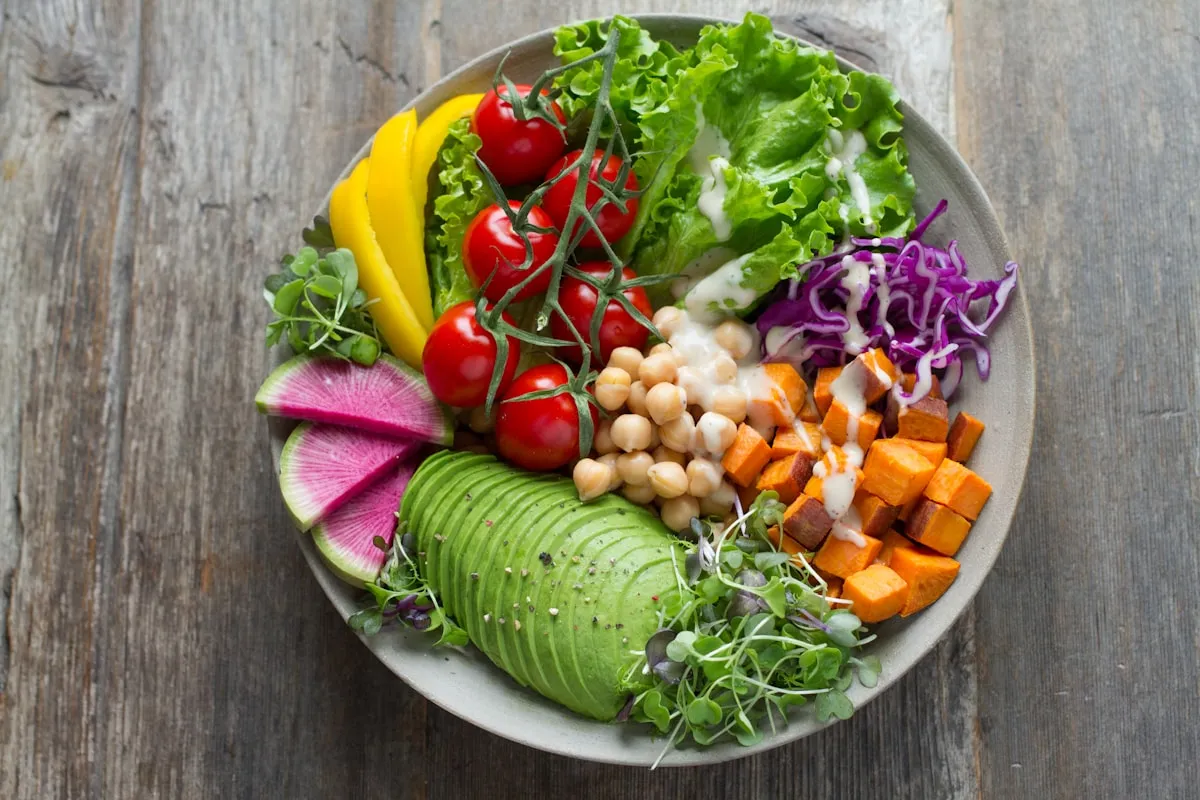
If you’ve ever wondered why a handful of almonds keeps you going longer than a bowl of pretzels, the answer lies in the physiological harmony of protein and fiber. When you consume protein, your body releases satiety hormones like PYY and leptin. These are your internal "I’m good, thanks" signals that tell your brain to stop looking for food. At the same time, protein suppresses ghrelin, the notorious "hunger hormone" that makes your stomach growl during mid-morning meetings.
But protein doesn't work alone. In the world of plant-based eating, fiber is the ultimate wingman. Fiber slows down gastric emptying, which is a fancy way of saying it keeps food in your stomach for a longer duration. This physical volume, combined with the chemical signals from protein, creates a sustained sense of fullness. Avoid snacks that are purely "empty" carbs; they spike your blood sugar and leave you hanging. Instead, reach for snacks that offer both.
The "Thermic Effect of Food" (TEF) is another scientific reason to prioritize protein. Your body actually burns more energy digesting protein than it does digesting fats or carbohydrates. While this doesn't mean you can "eat your way thin," it does mean that a protein-rich snack is more metabolically demanding and helps stabilize your energy levels. Check your labels or your pantry, if a snack doesn't have a significant protein punch, it's just a temporary bridge to nowhere.
Don't get bogged down in the "complete protein" myth, either. Your body is incredibly efficient at pooling amino acids from various sources throughout the day. You don't need to eat a perfectly balanced profile of all nine essential amino acids in every single bite. However, choosing soy-based snacks like edamame or tofu is a great strategy because soy is one of the few plants that naturally contains all those essentials in one go. This makes it a stellar base for quick healthy meals when you’re transitioning from snack time to dinner time.
Mastering these snack techniques is actually a great precursor to more complex cooking. Many of the same principles of high-protein prep apply when you're looking for air fryer recipes dinner options, where crispy tofu or roasted legumes can become the star of a larger plate.
Crunchy, Salty, and Sweet: The Variations
Variety is the only way to ensure you don't get bored. If you're a savory fan, legumes are your best friend. Roasted chickpeas are the gold standard here. They offer a crunch that rivals any potato chip but come packed with enough fiber to actually do some heavy lifting for your gut health. You can lean into smoky flavors with paprika or go bright and zesty with lime and chili.
For those who prefer something cold and fresh, edamame is the undisputed champion. There’s something meditative about popping those beans out of their pods. It’s a slow-food experience in a fast-paced world. If you find plain edamame a bit dull, toss them in a little toasted sesame oil or a splash of tamari. This adds that soulful "umami" layer that makes a snack feel like a treat rather than a chore.
Don't overlook the power of seeds. Hemp hearts and pumpkin seeds are tiny protein powerhouses that you can sprinkle over almost anything. If you’re craving something sweet, a soy-based yogurt topped with a few tablespoons of these seeds provides a creamy, crunchy contrast that hits all the right notes. This is a great way to sneak more nutrition into your day without feeling like you're eating a "health food" cliché.
If you're really short on time, a homemade trail mix is a lifesaver. Avoid the store-bought versions that are 90% chocolate chips and raisins. Mix your own using raw almonds, walnuts, and a handful of goji berries or dried apricots for a hit of natural sweetness. This provides a balance of healthy fats, protein, and complex carbohydrates that will keep your brain firing until your next meal.
Balancing the Plate: Side Dish Pairings
While we’re talking about snacks, many of these high-protein options are perfect for rounding out quick healthy meals. If you have some roasted chickpeas or tofu bites left over, don't let them sit in the fridge. Use them to add texture and satiety to a simple arugula salad or a grain bowl.
A great snack should be a bridge, not a barrier. If you find yourself still hungry after a snack, you might need to pair it with a bit of "volume." Add some sliced cucumbers or bell peppers to your hummus plate. The extra water and fiber from the vegetables will help trigger those stretch receptors in your stomach, signaling fullness even faster.
These snacks also play a vital role in preventing "hanger" while you're prepping quick family meals. Having a small bowl of edamame on the counter while you're waiting for the water to boil for pasta can save you from mindlessly grazing on whatever is in the pantry. It’s about being intentional with your fuel so that you can enjoy the process of cooking later on.
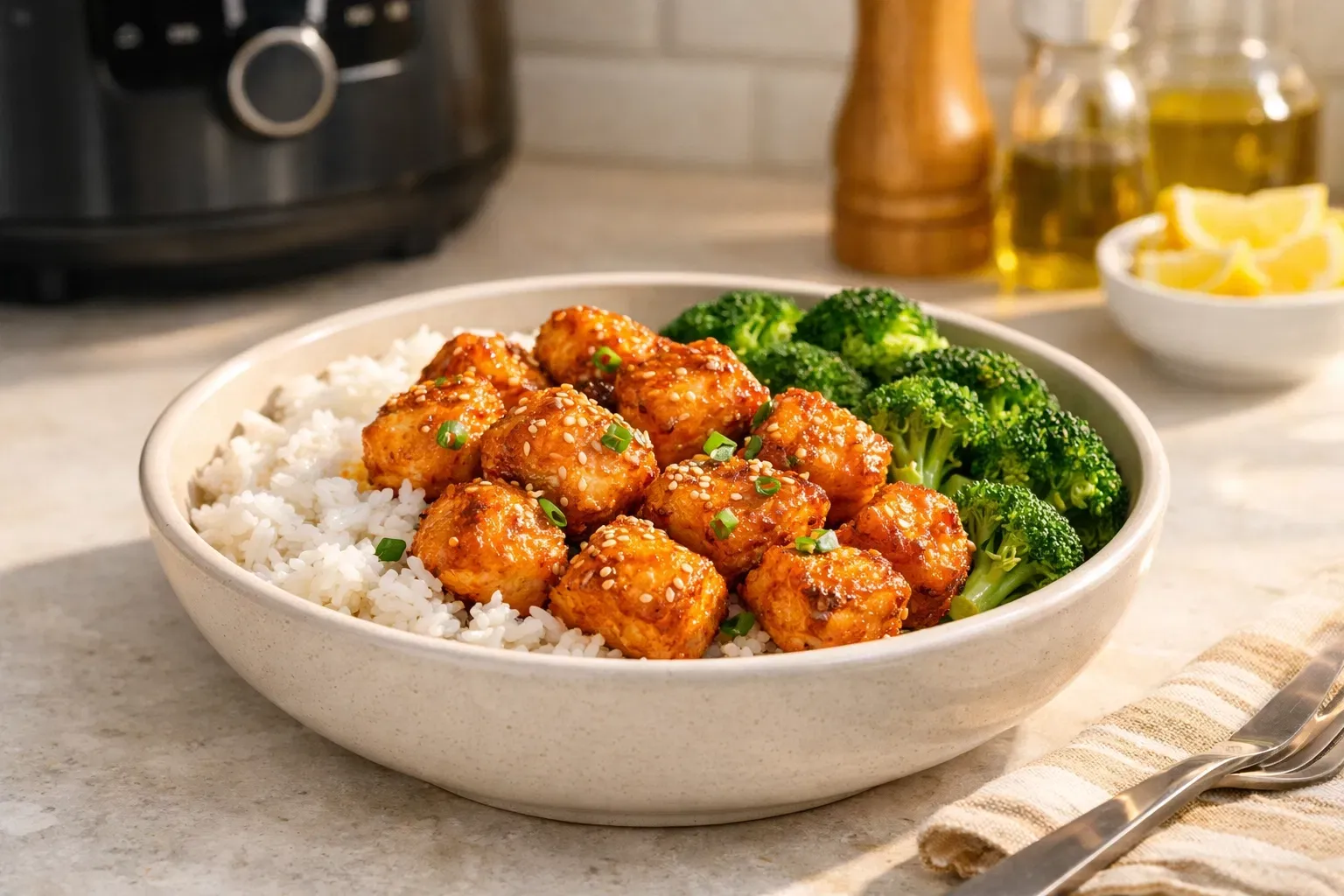
When looking for healthy dinner ideas, think about how these snack proteins can be scaled up. That same air-fried tofu you snacked on at 4:00 PM can easily become the centerpiece of a bowl with steamed rice and broccoli.
Frequently Asked Questions
Can I get enough protein on a purely plant-based diet?
Absolutely. The key is variety and volume. While animal proteins are more "concentrated," plants offer the added benefit of fiber and phytonutrients. If you include legumes, soy, nuts, and seeds throughout your day, you will easily hit your protein targets. Focus on the total daily intake rather than obsessing over a single snack.
Why do some high-protein snacks make me feel bloated?
This usually comes down to the fiber. If your body isn't used to a high-fiber diet, a sudden influx of beans or seeds can cause some temporary digestive "drama." Increase your intake gradually and drink plenty of water. Water is essential for helping fiber move through your system smoothly. If you're particularly sensitive, try starting with tofu or soy-based yogurt, which are often easier on the stomach than whole beans.
Are nuts a "good" protein source if they are so high in fat?
Nuts are a fantastic source of protein, but they are energy-dense. Think of them as a "concentrated" fuel. A small handful is usually enough to provide the satiety benefits without overdoing the calories. The healthy unsaturated fats in nuts actually help stimulate the release of satiety hormones, making them more effective at curbing hunger than a low-fat, high-carb snack.
What if I don't have time to prep snacks?
This is where "pantry staples" become your best friend. Keep canned chickpeas and frozen edamame on hand. It takes less than five minutes to rinse chickpeas or microwave edamame. You don't need elaborate recipes to eat well. Even a simple spoonful of nut butter on an apple provides a decent protein-to-fiber ratio that will sustain you.
Does cooking the snacks change the protein content?
Generally, no. While high heat can slightly alter the structure of proteins (a process called denaturation), the actual amount of protein remains relatively stable. Roasting your chickpeas or air-frying your tofu won't "kill" the protein. In fact, cooking can sometimes make plant proteins easier to digest by breaking down some of the tougher cellular structures.
How do I know if a snack is actually "high" in protein?
A good rule of thumb is to look for at least 5–10 grams of protein per serving for a snack. If you’re looking at a label, compare the protein grams to the total calories. If it’s high in protein but also loaded with added sugars, the "crash" might cancel out the benefits. Stick to whole-food sources whenever possible for the most soulful and effective results.
{“@type”:”BlogPosting”,”image”:”https://cdn.marblism.com/qWVD3qVrLKm.webp”,”author”:{“name”:”Penny”,”@type”:”Person”},”@context”:”https://schema.org”,”headline”:”5 High-Protein Plant-Based Snacks”,”keywords”:”high-protein snacks, plant-based, quick healthy meals, satiety, edamame, roasted chickpeas, healthy dinner ideas”,”publisher”:{“logo”:{“url”:”https://cookpedia.com/logo.png”,”@type”:”ImageObject”},”name”:”Cookpedia”,”@type”:”Organization”},”description”:”Discover the science of satiety and 5 soulful, plant-based high-protein snacks to keep your energy steady without the sugar crash.”,”datePublished”:”2026-06-08″,”articleSection”:”Cooking Guides”,”mainEntityOfPage”:{“@id”:”https://cookpedia.com/5-high-protein-plant-based-snacks”,”@type”:”WebPage”}}