Recipe
Servings
Servings 1×
Ingredients
- Tofu
- Noodles
- Rice
- Broccoli
- Mushrooms
- Cucumber
- Garlic
- Fresh ginger
- Butter
- Cooking oil
- Sesame
- Chili seasoning
Method
- Prepare the ingredients described in the article and heat the cooking surface or oven as directed.
- Cook the main ingredients using the heat and timing guidance in the article.
- Finish with the seasonings and garnishes named in the article, then serve.
There is a specific kind of magic that happens when high heat meets a well-seasoned pan. You know that smell, the savory, slightly sweet, and deeply aromatic scent of garlic and ginger hitting hot oil. It’s the smell of a meal that feels like it took hours but actually came together before the rice cooker even finished its cycle. My beef and broccoli stir-fry is exactly that: a soulful, high-impact dish designed for those nights when you want "real food" without the real-time commitment. When it comes to easy dinner recipes, this is the undisputed champion of my kitchen.
The Science of Tenderness and Flame
To master 15 minute meals, you have to understand why things happen in the pan. If you’ve ever wondered why restaurant beef is so impossibly tender while your home-cooked version feels like chewing on a leather belt, the secret isn't a better cut of meat, it's chemistry.
The Magic of Velveting
The most important technique in this recipe is called "velveting." By tossing your thinly sliced beef in a mixture of baking soda and cornstarch, you are fundamentally changing the protein structure. Baking soda raises the pH level on the surface of the meat. This higher alkalinity prevents the muscle fibers from tightening up and squeezing out their moisture when they hit the heat. Meanwhile, the cornstarch creates a microscopic barrier, a delicate "gel" layer, that locks in juices and helps the sauce cling to every crevice.
Use this method every single time. It takes two minutes to prep but saves the entire dish from being a chewy disaster. If you skip this, you’re just making beef; if you do it, you’re making soul food.
Chasing the Maillard Reaction
Flavor isn't just about what you put in the pan; it's about what the pan does to the food. The Maillard reaction is the chemical reaction between amino acids and reducing sugars that gives browned food its distinctive flavor. To achieve this in a short window, your pan needs to be screaming hot. I’m talking "wisp of smoke" hot.
Avoid overcrowding the pan at all costs. When you dump too much cold meat into a skillet, the temperature drops instantly. Instead of searing, the meat begins to release its juices and essentially boils in its own liquid. That’s how you get grey, sad-looking beef. Work in batches if you have to. Lay the beef in a single layer, let it sit undisturbed for a full sixty seconds to develop that rich, caramelized crust, and then toss it. This is how you build a depth of flavor that usually takes hours of simmering in under two minutes.
Perfecting the Broccoli Snap
Broccoli is the soulmate of beef, but it’s often the victim of overcooking. Nobody wants mushy, yellow-green florets. The goal is "crisp-tender", a bright, emerald green color with a satisfying snap. The secret to getting this right in a 15-minute window is a quick pre-steam. Microwave your florets with a splash of water for two minutes before they ever see the wok. This ensures the interiors are cooked through so they only need a final, high-heat toss with the sauce to absorb the aromatics without losing their structural integrity.
Soulful Variations for Every Mood
The beauty of a minimalist base is that it invites personal touches. While the classic soy and ginger profile is hard to beat, you can easily pivot based on what's in your pantry or how your day went.
For those who need a little extra heat to melt away a stressful afternoon, lean into the spice. Swap half of your aromatic base for a generous scoop of chili crisp or sambal oelek. The acidity in fermented chili pastes cuts through the richness of the beef perfectly. If you’re feeling a bit more adventurous, add a splash of orange juice and some fresh orange zest to your sauce. The citrus brightens the entire dish, transforming a heavy savory meal into something vibrant and uplifting.
If you’re looking for easy dinner recipes that are plant-based, the same velveting and searing techniques work wonders on firm tofu or thick slices of portobello mushrooms. The key is maintaining that high-heat sear to get the texture right. Just remember: whatever variation you choose, the non-negotiable is the high heat. Without it, you lose the soul of the stir-fry.
The Art of the Side Dish
A great stir-fry is only half the story. You need a partner that can handle the bold, glossy sauce without competing for attention.
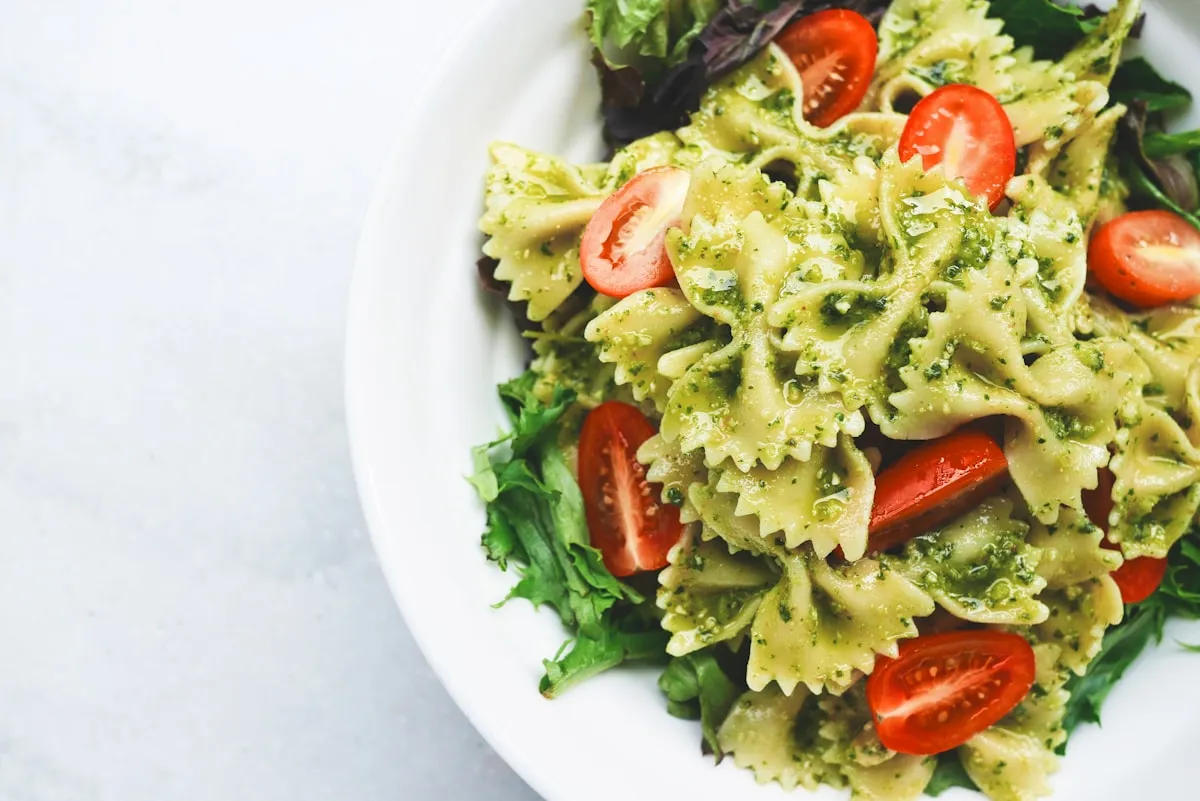
Standard jasmine rice is the classic choice for a reason. Its subtle floral aroma and fluffy texture act as a blank canvas for the savory beef. For a more "soulful" twist, try serving the stir-fry over viral garlic butter ramen. The chewy texture of the noodles paired with the silkiness of the velveted beef creates a mouthfeel that is pure comfort.
If you’re watching your carbs or just want something lighter, a simple smashed cucumber salad with a splash of rice vinegar and toasted sesame oil provides a cooling, acidic contrast to the hot, salty stir-fry. Balance is the key here, acidity cuts richness, and texture provides interest. Don't overcomplicate it; a single, well-chosen side is better than three mediocre ones.
Frequently Asked Questions
Why is my beef still tough?
If you followed the velveting steps and it’s still tough, check your slicing technique. You must slice against the grain. Look for the parallel lines of muscle fiber and cut perpendicular to them. This shortens the fibers, making them much easier to chew. Also, ensure you aren't overcooking the meat. Once it’s browned, get it out of the pan and only return it at the very end to coat it in the sauce.
Can I use a regular non-stick skillet?
You can, but it’s not ideal for the Maillard reaction. Non-stick coatings shouldn't be heated to the extreme temperatures required for a true sear. A cast-iron skillet or a carbon steel wok is your best friend here because they retain heat significantly better. If you only have non-stick, cook in even smaller batches to keep the pan as hot as possible.
What if I don't have cornstarch?
Cornstarch is vital for both the velveting and the glossy finish of the sauce. In a pinch, you can use arrowroot powder or even a bit of flour, though the result won't be quite as translucent and "silky." Avoid skipping the thickening agent entirely, or your sauce will be watery and won't cling to the ingredients.
Is the baking soda step really necessary?
For 15 minute meals, yes. When you don't have time for a long marinade or a slow braise, baking soda is the only way to guarantee tender results with leaner, tougher cuts like flank steak or top sirloin. It is a scientific shortcut that makes a massive difference in the final quality of the dish. Just be sure to rinse it off if you used a heavy soak, though for a quick 15-minute version, a small amount tossed in with the cornstarch is usually fine to leave in.
My sauce didn't thicken, what happened?
Sauce thickens when the cornstarch reaches a simmer. If your sauce is still liquid, your pan isn't hot enough, or you didn't let it bubble for those final 30-60 seconds. Give it a good stir and a bit of heat, and you’ll see it transform into a glossy glaze almost instantly.
{“@type”:”BlogPosting”,”image”:”https://cdn.marblism.com/2Ore_6MdXG5.webp”,”author”:{“name”:”Penny”,”@type”:”Person”},”@context”:”https://schema.org”,”headline”:”15-Minute Soulful Beef and Broccoli Stir-Fry”,”publisher”:{“logo”:{“url”:”https://cookpedia.com/logo.png”,”@type”:”ImageObject”},”name”:”Cookpedia”,”@type”:”Organization”},”description”:”Master the art of the 15-minute beef and broccoli stir-fry with the science of velveting and the Maillard reaction for a soulful, quick weeknight dinner.”,”datePublished”:”2026-06-15″,”mainEntityOfPage”:{“@id”:”https://cookpedia.com/15-minute-beef-broccoli-stir-fry”,”@type”:”WebPage”}}