Recipe
Servings
Servings 1×
Ingredients
- Chicken
- Ground turkey
- Penne
- Pasta
- Rice
- Bread
- Cauliflower
- Onion
- Garlic
- Lemon
- Chorizo
- Cooking oil
- Salt
- Black pepper
Method
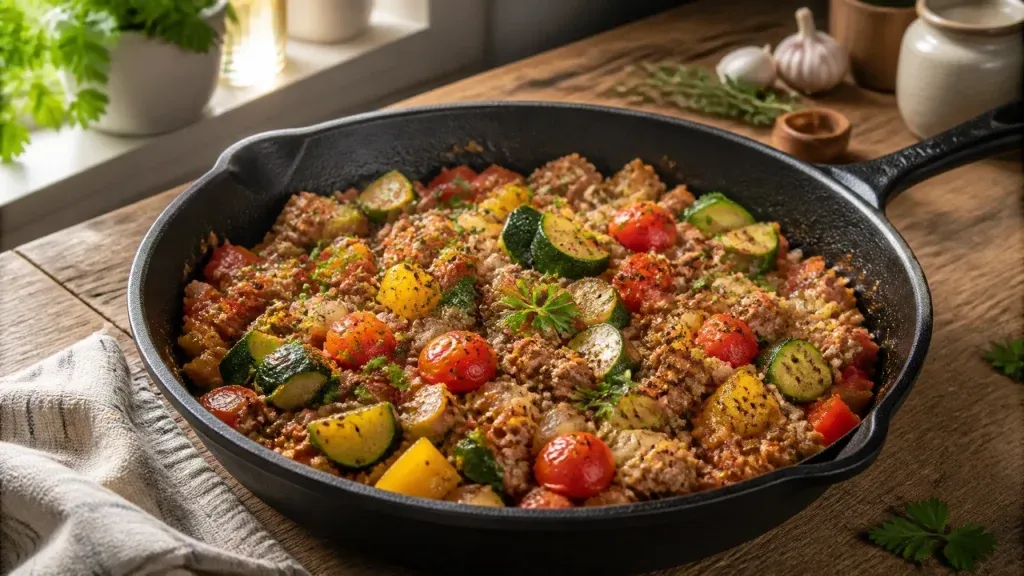
- Use a wide skillet, cast iron is king here because it holds heat like a champion.
- Slice your sausage into thick coins to increase the surface area.
- Let them sit undisturbed for at least three minutes.
- Slice your peppers and onions as thinly as humanly possible.
- Toss them into the pan on medium-high heat.
- Add a generous pinch of salt immediately; salt draws out moisture, helping the vegetables break down faster.
If you have fifteen minutes and a single skillet, you have a feast. I’m not talking about a sad, lukewarm stir-fry; I’m talking about the kind of soulful, smoke-kissed meal that makes your kitchen smell like a street festival in South Philly. This is the ultimate blueprint for those nights when the clock is ticking, the kids are hungry, and you refuse to settle for takeout. It’s simple, it’s fast, and it’s undeniably delicious.
Mastering the Maillard: Why Your Sausage Needs a Sear
The secret to making this dish taste like it spent hours on the stove lies in a bit of kitchen chemistry called the Maillard reaction. This is the chemical dance between amino acids and reducing sugars that happens when food hits a high-heat surface. It’s what gives seared meat that irresistible, savory crust and deep complexity. To get this right in under fifteen minutes, you have to be aggressive.
Use a wide skillet, cast iron is king here because it holds heat like a champion. Slice your sausage into thick coins to increase the surface area. More surface area means more browning, which means more flavor in every single bite. Don't crowd the pan. If you pile the sausage in, they’ll end up steaming in their own juices instead of searing. Check that your pan is screaming hot before you drop them in. Let them sit undisturbed for at least three minutes. Resist the urge to poke, prod, or flip them early. You want that dark, mahogany crust to form before you move them around.
Once the sausage has released its fat and developed that gorgeous color, remove the coins and keep that rendered fat in the pan. That liquid gold is where the soul of the dish lives. It’s seasoned, fatty, and ready to transform your vegetables. This technique is what elevates our quick family meals from basic to brilliant.
Fast-Track Caramelization: The Art of the Thin Slice
While traditional caramelized onions take forty-five minutes of low-and-slow patience, we don't have that luxury. To get that sweet, jammy flavor in a fraction of the time, you need to "fake" it with heat and geometry. Slice your peppers and onions as thinly as humanly possible. Thin strips have a higher ratio of surface area to volume, allowing them to soften and brown almost instantly in the hot sausage fat.
Toss them into the pan on medium-high heat. Add a generous pinch of salt immediately; salt draws out moisture, helping the vegetables break down faster. If you’re feeling bold, add a tiny pinch of sugar. It’s a bit of a "cheat," but it jumpstarts the browning process, giving you that charred, sweet edge that usually takes much longer to achieve.
Avoid adding any liquid yet. You want the peppers to catch slightly on the bottom of the pan, this is where the flavor builds. If things look like they’re going from "browned" to "burned," deglaze with a tiny splash of water or dry white wine. Scrape up those brown bits (the fond) with a wooden spoon. That’s pure concentrated flavor being folded back into your veggies.
The Finishing Touch: Balancing Fat with Acid
A heavy, fatty dish like sausage and peppers needs a "bright" moment to wake it up. Without acidity, the richness of the sausage fat can feel a bit flat on the tongue. Avoid adding acidic ingredients like vinegar or lemon juice at the beginning, as a lower pH can actually slow down the browning process.
Instead, wait until the very last minute. Once the sausage is back in the pan and the peppers are tender, hit the skillet with a teaspoon of red wine vinegar or a squeeze of fresh lemon. This doesn't make the dish "sour", it acts like a volume knob for the other flavors. It cuts through the grease and highlights the sweetness of the peppers. This is a hallmark of healthy dinner ideas that don't skimp on satisfaction: using acid instead of extra salt to make the ingredients pop.
Flavor Variations to Suit Your Mood
The beauty of a minimalist base is how easily you can pivot. If you want something with a bit more kick, swap the mild Italian links for spicy Andouille or chorizo. The paprika and garlic in chorizo will tint the entire pan a vibrant orange, creating a smoky, piquant version of the classic.
For those looking for a lighter touch, chicken or turkey sausages work beautifully, though they have less fat to render. In that case, add a tablespoon of high-quality olive oil to the pan before sautéing your peppers. If you’re a fan of our air fryer recipes dinner style, you can even toss the whole medley in the basket at 400°F, though you’ll miss out on that specific pan-seared "fond" that only a skillet can provide.
Don't be afraid to throw in some aromatics at the very end. A handful of fresh basil, a sprinkle of dried oregano, or a clove of minced garlic (added in the last sixty seconds so it doesn't burn) can completely change the profile from Italian-American classic to a Mediterranean delight.
Perfect Side Dish Pairings
While this one-pot wonder is a complete meal on its own, the right side dish can turn it into a full-blown experience. You need something that can handle the juices and the bold flavors of the sausage.
- Crusty Sourdough: A thick slice of toasted bread is the classic choice. Use it to mop up the pan sauce and create "open-faced" bites of pepper and meat.
- Creamy Polenta: If you have an extra five minutes, a quick-cooking polenta provides a soft, buttery contrast to the charred textures of the skillet.
- Cauliflower Rice: For a low-carb option that still satisfies, serve the medley over a bed of sautéed cauliflower rice. It’s one of my favorite healthy dinner ideas for busy weeknights.
- Pasta: If you're feeling indulgent, toss the entire mixture with some al dente penne or rigatoni. The ridged pasta is perfect for catching the small bits of onion and pepper.
Frequently Asked Questions
Can I use frozen peppers for this recipe?
You can, but proceed with caution. Frozen peppers hold a lot of water. If you dump them directly into the pan, they will lower the temperature and start to boil rather than sear. To fix this, thaw them completely and pat them extremely dry with paper towels before they hit the hot oil. You’ll still get great flavor, though the texture might be slightly softer than fresh.
Why is my sausage tough instead of juicy?
This usually happens if you cook the sausage for too long or at too low a temperature. High heat for a short period creates that crust while keeping the inside moist. If you simmer them for twenty minutes, the fats render out and the proteins tighten up, leaving you with a rubbery texture. Stick to the 15-minute timeline!
Can I make this ahead of time?
Absolutely. Sausage and peppers actually taste better the next day because the flavors have more time to meld. However, be aware that the peppers will lose their vibrant color and some of their bite when reheated. If you're meal prepping, undercook the peppers slightly so they finish softening when you warm them up later.
Do I need to peel the sausages?
No, unless you prefer the texture of loose ground meat. Keeping the casing on helps the sausage hold its "coin" shape and provides that satisfying snap when you bite into it. If you do use bulk sausage meat, treat it like a large smash-burger in the pan to get that essential browning.
What if I don't have a cast-iron skillet?
A heavy-bottomed stainless steel or non-stick pan will work. Just be aware that stainless steel requires a bit more oil to prevent sticking, and non-stick pans shouldn't be heated to the "screaming hot" levels required for the best Maillard reaction. Adjust your heat accordingly and keep an eye on the browning.
{“@type”:”FAQPage”,”@context”:”https://schema.org”,”mainEntity”:[{“name”:”Can I use frozen peppers for this recipe?”,”@type”:”Question”,”acceptedAnswer”:{“text”:”Yes, but ensure you thaw and pat them extremely dry first. Frozen peppers contain excess moisture that can prevent the high-heat searing necessary for the best flavor.”,”@type”:”Answer”}},{“name”:”Why is my sausage tough instead of juicy?”,”@type”:”Question”,”acceptedAnswer”:{“text”:”Tough sausage is usually the result of overcooking or cooking at too low a temperature for too long. Using high heat for a short duration (15 minutes total) ensures a good sear while maintaining internal juiciness.”,”@type”:”Answer”}},{“name”:”Can I make this ahead of time?”,”@type”:”Question”,”acceptedAnswer”:{“text”:”Yes, the flavors often improve overnight. If meal prepping, slightly undercook the vegetables so they don’t become mushy when reheated.”,”@type”:”Answer”}},{“name”:”Do I need to peel the sausages?”,”@type”:”Question”,”acceptedAnswer”:{“text”:”No, keeping the casing on allows you to cut the sausage into coins that hold their shape and provide a better texture. Only remove the casing if you want a loose, ground-meat consistency.”,”@type”:”Answer”}},{“name”:”What if I don’t have a cast-iron skillet?”,”@type”:”Question”,”acceptedAnswer”:{“text”:”You can use stainless steel or non-stick, but cast iron is preferred for its heat retention. Ensure stainless steel is well-oiled to prevent sticking.”,”@type”:”Answer”}}]}