Recipe
Servings
Servings 1×
Ingredients
- Chicken
- Orzo
- Pasta
- Bread
- Broccoli
- Asparagus
- Mushrooms
- Tomatoes
- Garlic
- Lemon
- Cream
- Hard cheese
- Butter
- Cooking oil
- Salt
- Black pepper
Method
- Use a wide, heavy-bottomed skillet for this.
- Stir the dry orzo into the pan with a little fat: butter or olive oil: and let it sizzle for about sixty seconds.
- Use hot chicken stock if possible; adding cold liquid to a hot pan kills your momentum and extends your cooking time.
- Stir occasionally to prevent sticking, but don't overwork it.
- Finish the dish off the heat.
- Use a very simple dressing: just lemon juice, high-quality olive oil, and a pinch of flaky salt.
If you’ve ever stared at a half-empty box of orzo and wondered if it was worth the effort of boiling a massive pot of water, let me stop you right there. You’re doing too much. This 15-minute one pot creamy lemon chicken orzo is the culinary equivalent of hitting the "easy" button on your weeknight. It’s vibrant, velvety, and shockingly fast. We’re talking faster than the time it takes for your kids to find their shoes or for you to scroll through your favorite quick family meals on the internet. It’s a minimalist masterpiece that proves you don't need a sink full of dishes to eat like royalty.
The Starch Secret: Why One Pot is Better
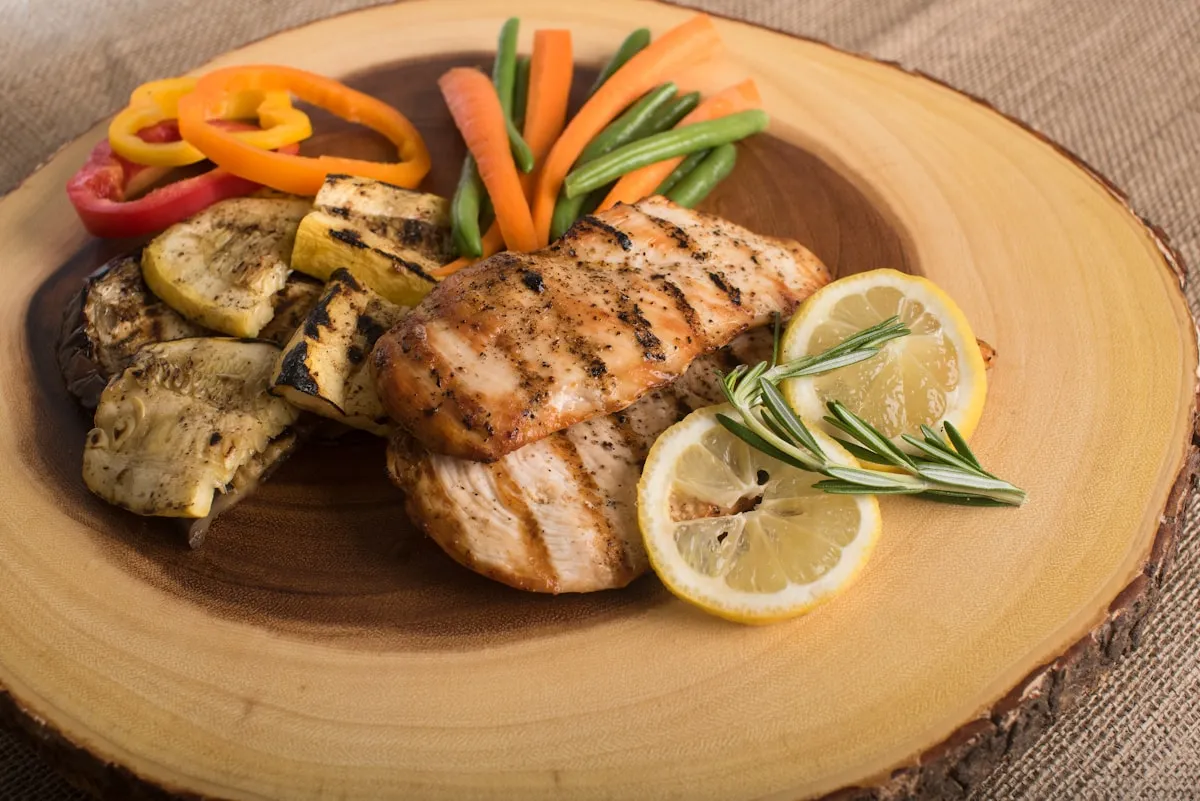
The reason this dish works so well isn't just about saving you from the dish brush; it’s actually rooted in the science of starch. When you cook pasta in a giant pot of salted water and then drain it, you’re literally pouring the "gold" down the drain. In this one-pot method, the orzo stays in the pan with a limited amount of liquid. As it simmers, it releases its surface starch directly into the broth. This starch acts as a natural emulsifier and thickener, creating a built-in sauce that is exponentially creamier than anything you could achieve by adding heavy cream to plain boiled pasta.
Use a wide, heavy-bottomed skillet for this. A wider surface area allows for even evaporation and ensures every single grain of orzo has its moment in the spotlight. Avoid using a deep, narrow pot, which can lead to the bottom layer getting mushy while the top stays crunchy. This technique is what turns simple grains into a luxurious, risotto-adjacent experience in a fraction of the time. If you’ve been hunting for healthy dinner ideas that don’t feel like a chore, mastering the one-pot starch release is your new superpower.
Toasting and Timing: The Technique
Before you drown your orzo in broth, you must toast it. This is a non-negotiable step in my kitchen. Stir the dry orzo into the pan with a little fat: butter or olive oil: and let it sizzle for about sixty seconds. You’re looking for a nutty aroma and a slight golden hue. This brief Maillard reaction doesn’t just add a layer of toasted flavor; it also creates a protective barrier on the exterior of the pasta, helping it maintain its "al dente" integrity even as it bathes in the creamy sauce. Check the grains frequently; they go from "toasted" to "burnt" in the blink of an eye.
Timing is everything when you're aiming for a 15-minute finish. Chop your chicken into small, bite-sized pieces: think "popcorn chicken" size. Smaller pieces cook in roughly four to five minutes, ensuring they stay juicy and tender rather than turning into rubbery erasers. Once the chicken is seared and the orzo is toasted, add your liquid. Use hot chicken stock if possible; adding cold liquid to a hot pan kills your momentum and extends your cooking time. Keep the simmer gentle. A rolling boil will evaporate the liquid too fast, leaving you with raw pasta and a dry pan. Stir occasionally to prevent sticking, but don't overwork it. You want to encourage the starch to come out, not beat the pasta into submission.
Finish the dish off the heat. This is the "science of the split." If you add your Parmesan and a splash of cream while the pan is still screaming hot and bubbling, the proteins in the cheese can clump together, leaving you with a grainy, oily mess. Take the pan off the burner, wait thirty seconds for the bubbling to subside, and then fold in your dairy. The residual heat is more than enough to melt the cheese into a silky, cohesive sauce. It’s these small technical pivots that elevate quick family meals from "edible" to "exceptional."
Playing with Flavors: Tasty Variations
The beauty of a minimalist base like lemon and chicken is that it plays well with others. If you want to lean into a Mediterranean vibe, throw in a handful of halved cherry tomatoes and some kalamata olives during the last three minutes of simmering. The tomatoes will burst, adding a jammy acidity that balances the richness of the cream. Top it with some fresh basil and a squeeze of charred lemon for a bright, high-impact finish.
For those following specific dietary paths, you can easily pivot. Swap the chicken for hearty cremini mushrooms to keep it vegetarian, but make sure to sauté the mushrooms first until they’ve released all their water: nobody wants a soggy orzo. If you’re feeling bold, add a pinch of red pepper flakes and a tablespoon of tomato paste to the aromatics before adding the orzo. This creates a "rosé" style sauce that is incredibly comforting. And if you’re looking to utilize your gadgets, you can even top this creamy base with crispy chicken thighs from your favorite air fryer recipes dinner list. The contrast between the crunch of the air-fried chicken and the velvet orzo is perfection.
The Perfect Pair: Balancing the Plate
Since this dish is undeniably rich and starchy, you need a sidekick that can cut through the weight. Balance is the name of the game. A crisp, peppery arugula salad is the ultimate partner here. Use a very simple dressing: just lemon juice, high-quality olive oil, and a pinch of flaky salt. The sharp acidity of the lemon in the salad mirrors the citrus in the orzo, while the bitterness of the arugula keeps your palate refreshed.
If you’re serving this for a crowd and want something more substantial, roasted asparagus or broccolini works wonders. Toss them in the oven (or use that air fryer again!) with plenty of garlic and red pepper flakes. You want those charred, crispy edges to provide a textural counterpoint to the soft, creamy pasta. Avoid heavy, buttery sides like garlic bread unless you’re planning on a very long nap immediately after dinner. Keep the sides light, bright, and acidic to ensure the lemon chicken orzo remains the star of the show.
Troubleshooting Your Orzo: FAQ
Why did my sauce turn out thin and soupy?
You likely added too much liquid or didn't let the dish rest. Remember the concept of "carryover thickening." When you pull the pan off the heat, the orzo is still absorbing liquid. Let it sit for two minutes before serving; you’ll see the sauce transform from a thin broth into a glossy coating. If it’s still too thin, a handful of extra Parmesan usually does the trick.
Can I use chicken breast or should I use thighs?
Both work, but they require different attitudes. Chicken breasts are leaner and can dry out if overcooked, so keep the pieces small and add them back to the pan toward the end. Thighs are more forgiving and stay juicy even if the orzo takes an extra minute or two to soften. If you're looking for healthy dinner ideas that are also foolproof, go with the thighs.
My orzo is stuck to the bottom of the pan! What happened?
You didn't stir enough, or your heat was too high. Because of the high starch content, orzo loves to settle and glue itself to the skillet. Use a wooden spatula to scrape the bottom every few minutes. If it starts to stick, add a tiny splash of broth and lower the heat immediately.
Can I make this ahead of time?
One-pot pasta is best enjoyed fresh. As it sits, the orzo will continue to drink up every drop of sauce, eventually becoming a solid block of pasta. If you must reheat it, add a generous splash of milk or chicken stock and stir over low heat until it regains its creamy composure.
Is there a way to make this even faster?
Mise en place is your best friend. Have the lemon zested, the chicken chopped, and the broth measured before you even turn on the stove. When you're dealing with a 15-minute cook time, searching for a grater in the middle of the process is the fastest way to overcook your meal. Keep it simple, keep it fast, and enjoy the soulful results of a meal made with intention and zero stress.
{“@type”:”BlogPosting”,”image”:”https://cdn.marblism.com/y56ErPtk6cX.webp”,”author”:{“name”:”Penny”,”@type”:”Person”},”@context”:”https://schema.org”,”headline”:”15-Minute One Pot Creamy Lemon Chicken Orzo”,”keywords”:”one pot meals, easy dinner recipes, quick healthy meals, quick family meals, healthy dinner ideas”,”publisher”:{“logo”:{“url”:”https://cdn.marblism.com/KxroJ1kM_KA.webp”,”@type”:”ImageObject”},”name”:”Cookpedia”,”@type”:”Organization”},”mainEntity”:{“@type”:”FAQPage”,”mainEntity”:[{“name”:”Why did my sauce turn out thin and soupy?”,”@type”:”Question”,”acceptedAnswer”:{“text”:”You likely added too much liquid or didn’t let the dish rest. Orzo continues to absorb liquid after being removed from the heat through carryover thickening.”,”@type”:”Answer”}},{“name”:”Can I use chicken breast or should I use thighs?”,”@type”:”Question”,”acceptedAnswer”:{“text”:”Both work, but thighs are more forgiving and stay juicy, while breasts require careful timing to avoid drying out.”,”@type”:”Answer”}},{“name”:”My orzo is stuck to the bottom of the pan! What happened?”,”@type”:”Question”,”acceptedAnswer”:{“text”:”This usually happens if the heat is too high or if the pasta isn’t stirred frequently enough to distribute the starch.”,”@type”:”Answer”}}]},”description”:”A minimalist, 15-minute one-pot recipe for creamy lemon chicken orzo. Learn the science of starch release and how to achieve a velvety sauce without the mess.”,”datePublished”:”2026-06-19″,”articleSection”:”Recipes”}