Recipe
Servings
Servings 1×
Ingredients
- Shrimp
- Quinoa
- Pasta
- Bread
- Garlic
- Lemon
- Lime
- Butter
- Cooking oil
- Salt
- Black pepper
Method
- Let’s fix that right now.
- Use a heavy-bottomed skillet, preferably cast iron.
- Pat your shrimp bone-dry before they even think about entering the pan.
- Use several paper towels and press down firmly.
- Cook in batches if you have to.
- Add garlic only after reducing the heat to medium-low to prevent the sugars in the garlic from burning.”,”@type”:”Answer”}},{“name”:”Can I use an air fryer for this?”,”@type”:”Question”,”acceptedAnswer”:{“text”:”Yes, though you’ll lose the pan sear.
There is a specific kind of magic that happens when you realize that a gourmet-level meal doesn't actually require an entire afternoon and a sink full of dishes. My blog has always been about that intersection of "soulful" and "simple," and nothing captures that spirit quite like this 15-minute one-pan garlic herb shrimp. It is fast, it is unapologetically buttery, and it proves that minimal ingredients can deliver high-impact flavor if you just treat them with a little bit of respect. Whether you are hunting for quick family meals or just need a win after a long Tuesday, this is the one.
Mastering the Sizzle: The Science of Succulent Shrimp
Cooking shrimp is less about following a timer and more about understanding the delicate physics of moisture and heat. If you’ve ever bitten into a rubbery, tasteless shrimp, you’ve been a victim of poor technique, not a bad recipe. Let’s fix that right now.
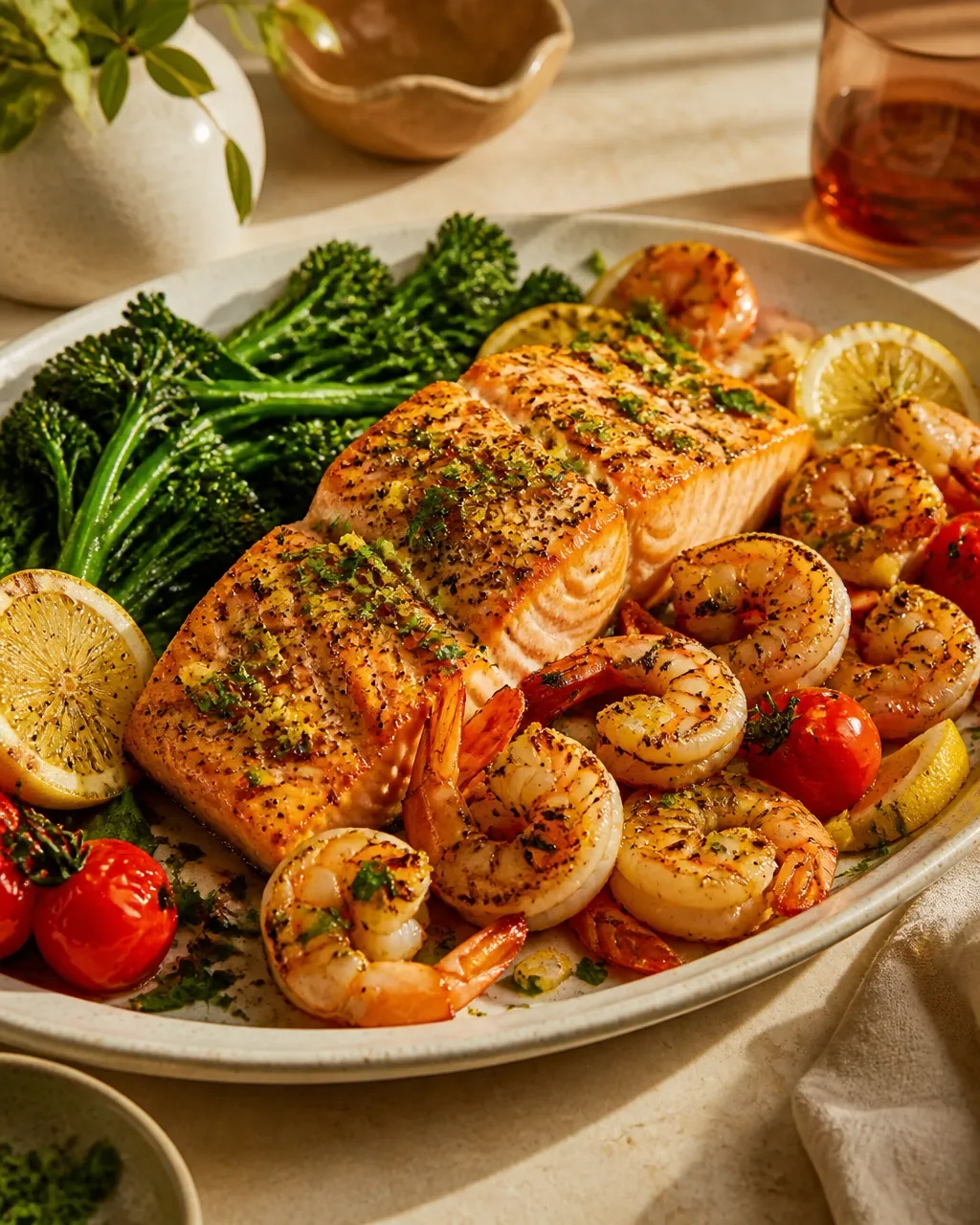
Use a heavy-bottomed skillet, preferably cast iron. Cast iron is the heavyweight champion of heat retention; once it’s hot, it stays hot, which is non-negotiable for a proper sear. Avoid thin, flimsy pans that lose their temper the moment you add food. Preheat your skillet until it is shimmering. If you don't hear a violent hiss when that first shrimp touches the metal, your pan isn't ready. Wait for it. Patience is the secret ingredient in most healthy dinner ideas.
Pat your shrimp bone-dry before they even think about entering the pan. This is the single most important rule. Surface moisture is the enemy of the Maillard reaction: that beautiful chemical dance between amino acids and reducing sugars that creates browning. If your shrimp are wet, they will steam in their own juices, turning gray and sad instead of golden and crisp. Use several paper towels and press down firmly. Check every crevice.
Don't overcrowd the pan. Each shrimp needs its own personal space to breathe. If you pack them in like commuters on a rush-hour train, the temperature of the pan will plummet, and you’ll end up with poached shrimp. Cook in batches if you have to. It only takes two minutes per side, so the extra effort is negligible.
Watch for the "C" shape. This is the visual shorthand for perfection. A perfectly cooked shrimp forms a loose "C." If it curls into a tight "O," you’ve gone too far, and the proteins have squeezed out all the moisture, leaving you with something resembling a pencil eraser. Pull them off the heat when they are just opaque and pearly. Remember the concept of carryover cooking: the shrimp will continue to cook for a good minute after you remove them from the flame. Aim for "almost done," and they will finish themselves on the plate.
Lastly, manage your aromatics with care. Garlic is a sensitive soul; it burns at the drop of a hat. Never add your minced garlic at the very beginning with the high-heat oil. Instead, sear the shrimp first, then turn the heat down to medium-low before tossing in the butter and garlic. This protects the garlic from turning bitter and ensures your butter browns gently into a nutty, golden nectar rather than a scorched mess. This technique is similar to what we use in our viral garlic butter ramen hack, where timing the infusion is everything.
Flavor Riffs: Balancing the Richness
The beauty of a minimalist base like garlic and butter is that it serves as a blank canvas for your mood. When I’m in the mood for something with a bit of a kick, I lean into heat. A heavy pinch of red pepper flakes added to the butter as it melts will infuse the entire dish with a slow-burn warmth. This doesn't just add spice; it creates a structural balance against the richness of the butter.
For those looking for healthy dinner ideas that fit a keto lifestyle, double down on the fats but brighten them up with high-quality acidity. Freshly squeezed lemon juice is not optional; it’s a requirement. The citric acid cuts through the fat, lifting the flavor of the shrimp and making the whole dish feel light despite the butter content. If you want a more "Mediterranean" vibe, swap the parsley for fresh dill or oregano and toss in a handful of briny capers. The saltiness of the capers provides a sharp contrast to the sweetness of the seafood.
If you’re feeling adventurous, try a lime and cilantro variation. Swap the lemon for lime and finish with a heap of fresh cilantro and a dash of cumin. It shifts the soul of the dish from a French bistro feel to something more vibrant and coastal. Regardless of the variation, always remember: the goal is balance. If the dish feels too heavy, add acid. If it feels too sharp, add a touch more butter or a tiny pinch of salt. It’s all about finding that soulful equilibrium.
The Perfect Partners: Side Dish Pairings
Because this is a 15-minute meal, your side dishes shouldn't take forty minutes to prepare. We want to keep the energy consistent. If you have some crusty sourdough or a French baguette, you’re already halfway there. There is no greater joy in life than using a piece of warm bread to mop up the residual garlic butter from the bottom of the pan.
For a lighter approach, serve the shrimp over a bed of flash-sautéed zoodles or a simple arugula salad tossed with lemon and olive oil. The peppery bite of the arugula is a fantastic foil for the savory garlic. If you need something more substantial, a quick-cooking grain like couscous or quinoa works beautifully. They act like little sponges, soaking up every drop of that herb-infused butter.
If you’re looking for more quick family meals that follow this one-pan philosophy, you might want to check out our lazy girl one-pan cacio e pepe. It shares the same DNA of speed and high-quality simplicity that makes home cooking feel like a treat rather than a chore.
Garlic Herb Shrimp FAQ: Your "What If" Guide
What if I only have frozen shrimp?
Frozen is often actually better than "fresh" unless you live right on the coast. Most "fresh" shrimp at the counter was previously frozen anyway. Thaw them completely in a bowl of cold water for about 15-20 minutes. The science remains the same: pat them incredibly dry once thawed. If they are even slightly icy or wet, the pan temperature will drop, and you’ll lose that crust.
Why did my garlic turn brown and bitter?
Your pan was likely too hot when you added the garlic, or you left it in too long. Garlic contains natural sugars that caramelize and then burn very quickly. Always add your garlic during the final stage of cooking when you've reduced the heat. If you see the garlic turning a dark, mahogany brown, it's too late. Aim for a pale golden straw color.
Can I make this in an air fryer?
While we love air fryer recipes dinner enthusiasts, shrimp really benefits from the direct contact of a hot pan to get that specific sear. However, if you must, toss the shrimp in the garlic butter first and air fry at 400°F (200°C) for about 5-7 minutes, shaking halfway through. You’ll miss out on the pan-sauce "mopping" experience, but it’s still a solid healthy dinner idea for a busy night.
Should I leave the tails on or off?
This is purely a lifestyle choice. Leaving the tails on makes for a more beautiful presentation and gives you a little "handle" if you're eating them as an appetizer. However, if you're tossing them with pasta or grains, taking the tails off beforehand makes for a much smoother eating experience. Your call, just be consistent.
Can I use dried herbs instead of fresh?
You can, but the soul of the dish will change. Fresh herbs provide a bright, grassy finish that dried herbs can't replicate. If you must use dried, use one-third of the amount called for and add them to the butter a bit earlier so the heat can "rehydrate" their oils. But seriously, go buy the fresh parsley. It’s worth the trip.
For more inspiration on building your 15-minute repertoire, browse our 15-minute meals category. Cooking should be the best part of your day, not the most stressful.
{“@type”:”BlogPosting”,”image”:”https://cdn.marblism.com/0dODTT4Jkkp.webp”,”author”:{“name”:”Cookpedia”,”@type”:”Organization”},”@context”:”https://schema.org”,”headline”:”15-Minute One-Pan Garlic Herb Shrimp”,”publisher”:{“logo”:{“url”:”https://cookpedia.com/logo.png”,”@type”:”ImageObject”},”name”:”Cookpedia”,”@type”:”Organization”},”mainEntity”:[{“name”:”What if I only have frozen shrimp?”,”@type”:”Question”,”acceptedAnswer”:{“text”:”Thaw them completely in cold water and pat them bone-dry. Frozen shrimp is often fresher than what’s at the counter, but moisture control is key to a good sear.”,”@type”:”Answer”}},{“name”:”Why did my garlic turn bitter?”,”@type”:”Question”,”acceptedAnswer”:{“text”:”The pan was likely too hot. Add garlic only after reducing the heat to medium-low to prevent the sugars in the garlic from burning.”,”@type”:”Answer”}},{“name”:”Can I use an air fryer for this?”,”@type”:”Question”,”acceptedAnswer”:{“text”:”Yes, though you’ll lose the pan sear. Toss in garlic butter and cook at 400°F for 5-7 minutes. It’s a great option for quick family meals.”,”@type”:”Answer”}}],”description”:”A minimalist and soulful guide to making perfect garlic herb shrimp in just 15 minutes using a single pan. Focuses on the science of searing and flavor balance.”,”datePublished”:”2026-06-14″,”mainEntityOfPage”:{“@id”:”https://cookpedia.com/15-minute-one-pan-garlic-herb-shrimp”,”@type”:”WebPage”}}