Recipe
Servings
Servings 1×
Ingredients
- Quinoa
- Rice
- Cauliflower
- Kale
- Greens
- Cucumber
- Avocado
- Lime
- Butter
- Cooking oil
- Soy sauce or tamari
- Sesame
- Chili seasoning
- Salt
Method
- Let’s dive into why this simple bowl works so well and how you can master the technique.
- Use rice vinegar, a pinch of salt, and a dash of sugar while the rice is still warm.
- Let's talk about the avocado.
- Add a sheet of toasted nori (seaweed) crumbled on top to bring that oceanic depth without the heat.
You know that feeling when the clock is ticking, the family is hungry, and you really don't want to resort to another bowl of cereal? I’ve been there. My secret weapon for nights like these is the tuna and avocado sushi bowl. It’s fresh, it’s vibrant, and it fits perfectly into your rotation of healthy dinner ideas. Best of all, you can have it on the table in less time than it takes to find a decent show to watch. Let’s dive into why this simple bowl works so well and how you can master the technique.
The Chemistry of the Perfect Sushi Bowl
Creating a restaurant-quality bowl at home isn't just about throwing things together; it’s about understanding the "why" behind the flavors. The foundation of any great sushi bowl is the rice. If you are using leftover rice or a quick microwave packet, you need to re-introduce moisture and seasoning correctly. Use rice vinegar, a pinch of salt, and a dash of sugar while the rice is still warm. The warmth allows the acetic acid in the vinegar to penetrate the starch granules of the rice, breaking down the surface tension and ensuring every grain is seasoned, not just the ones on top. This acidity is non-negotiable; it cuts through the richness of the fish and avocado, keeping your palate refreshed.
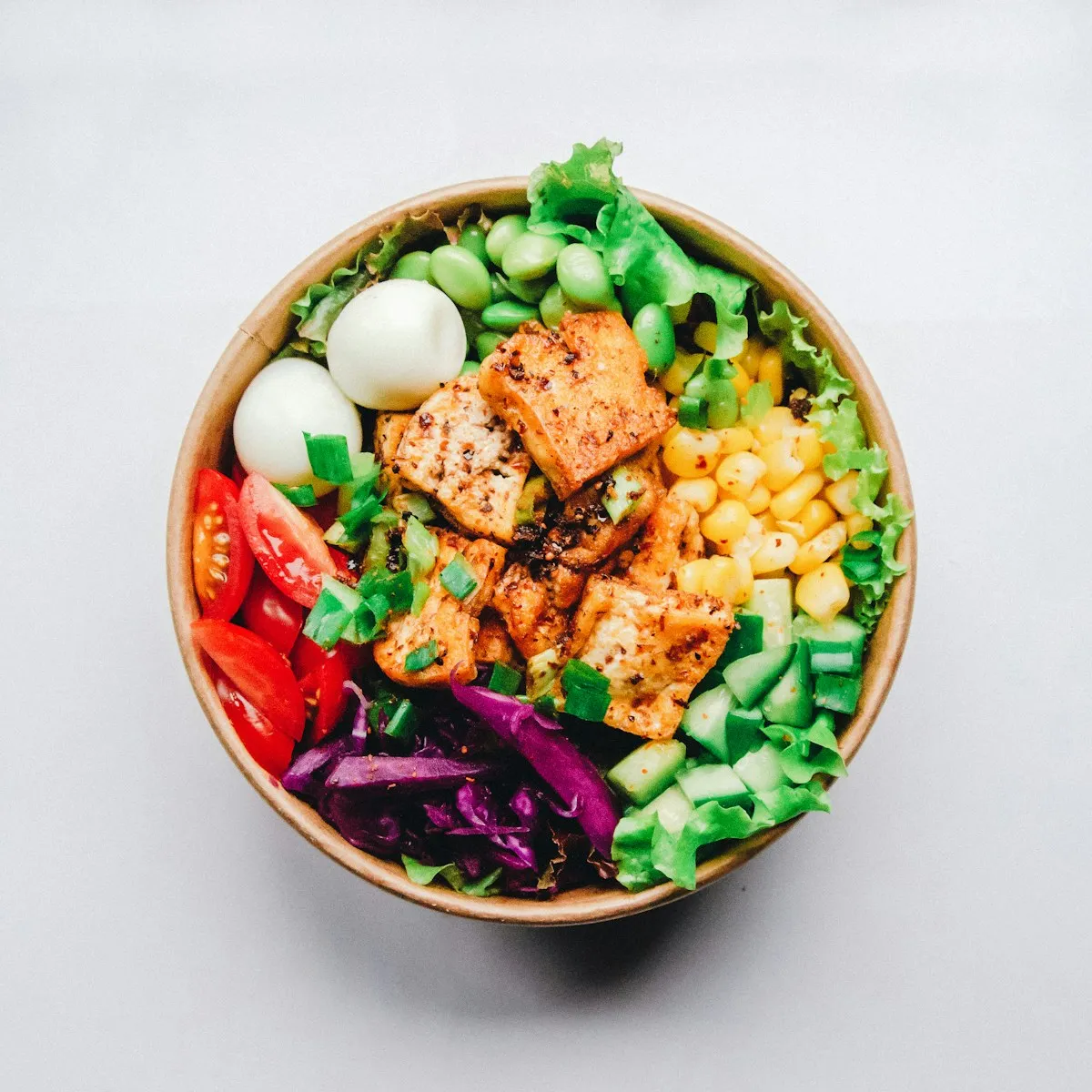
When it comes to the tuna, you are looking for a perfect emulsification. Whether you use canned tuna or fresh-seared cuts, mixing it with a bit of mayo (Kewpie is the gold standard here) creates a creamy barrier. This fat acts as a vehicle for flavor, carrying the umami from the soy sauce and the heat from sriracha directly to your taste buds. This is where science meets satisfaction. The fat in the mayo and the avocado helps to coat the tongue, which actually tempers the "burn" of any spicy elements you might add.
Let's talk about the avocado. It’s the "butter" of the plant world, providing a luxurious mouthfeel that balances the flaky texture of the tuna. To keep your avocado from turning that unappealing brown, remember the rule of oxidation. Exposure to oxygen triggers an enzyme reaction. By lightly tossing your avocado slices in a bit of lime juice or the same seasoned rice vinegar you used for the rice, you lower the pH level on the surface, which significantly slows down that browning process. Always add the avocado at the very last second to ensure it stays vibrant and green.
Flavor Profiles and Variations
The beauty of this dish is how easily it adapts to your household's needs. If you are looking for quick family meals, the "build-your-own" approach is a game-changer. Set out the components and let everyone customize their bowl. For those who want a bit of a kick, a "spicy tuna" version is easily achieved by upping the sriracha and adding a sprinkle of chili flakes. If you prefer something more traditional and mild, focus on the umami. Add a sheet of toasted nori (seaweed) crumbled on top to bring that oceanic depth without the heat.
Don't feel restricted to white rice, either. If you want to lean into a more "power bowl" vibe, quinoa or farro provides a nutty contrast that stands up well to the soy and sesame. For a grain-free option, cauliflower rice works surprisingly well, though you should flash-sear it in a pan for two minutes first to remove the raw cabbage scent. The key is to maintain that balance of fat, acid, and salt regardless of the base you choose. You can find more inspiration in our 15-minute meals category for those particularly hectic Tuesdays.
Perfect Side Pairings
While the sushi bowl is a complete meal on its own, adding a small side can elevate the entire experience. To stay within the "quick" theme, I often recommend a simple cucumber salad dressed in sesame oil and more of that rice vinegar. The crunch provides a necessary textural contrast to the soft rice and creamy avocado.
If you have an extra five minutes, consider making a quick batch of edamame. If you're looking for something warmer and have been exploring air fryer recipes dinner options, try air-frying some shishito peppers or even some crispy kale. The concentrated heat of the air fryer gives these veggies a charred, smoky flavor that complements the fresh elements of the bowl perfectly. A light miso soup is another classic pairing that helps to cleanse the palate between bites of rich tuna. For more green ideas, check out our salads section to find more ways to add crunch to your dinner.
Frequently Asked Questions
Can I use frozen tuna for this?
Yes, but you must be careful with the thawing process. If you are using "sushi-grade" frozen tuna, thaw it slowly in the refrigerator overnight. Avoid thawing it in warm water, as this can compromise the texture and lead to a "mushy" mouthfeel. If you are in a rush, canned tuna is a much safer and faster alternative that still tastes fantastic when seasoned correctly.
What if my rice is too sticky?
Sushi rice is meant to be slightly sticky, but if it has turned into a gummy mass, it’s usually because it was overcooked or stirred too vigorously while hot. To fix this, gently "cut" the seasoning into the rice using a flat paddle or spatula in a slicing motion rather than stirring. This separates the grains without mashing them. If it’s truly far gone, try spreading it out on a baking sheet to let some moisture evaporate.
Why does my tuna taste "fishy"?
A strong fishy odor is usually a sign of oxidation in the oils of the fish. To counteract this, use a splash of citrus (lemon or lime) or a small amount of grated ginger. These ingredients contain compounds that neutralize the amines responsible for that scent. Also, ensure you are draining canned tuna thoroughly; the liquid it’s packed in often holds the strongest "fishy" flavors.
Is this meal prep friendly?
Sushi bowls are great for prep, but you have to be strategic. Store the rice, tuna mixture, and vegetables in separate containers. If you mix them too early, the vinegar in the rice can start to "cook" the tuna (like a ceviche) and make the vegetables soggy. As mentioned before, save the avocado slicing for the absolute last minute.
Can I replace the mayo?
If you want to skip the mayo, Greek yogurt or mashed avocado itself can act as the binding agent for your tuna. You’ll lose some of that classic "spicy tuna" flavor profile, but you’ll gain a boost of protein or healthy fats. Just be sure to add a little extra soy sauce or salt, as mayo provides a fair amount of seasoning on its own.
How do I store leftovers?
If you have assembled bowls left over, they will keep in the fridge for about 24 hours. After that, the rice will start to harden (a process called retrogradation) and the avocado will inevitably brown. To revive cold rice, a quick 20-second zap in the microwave with a damp paper towel over the top can help soften the starches again.
{“@type”:”BlogPosting”,”image”:”https://cdn.marblism.com/wh5LBKVupP_.webp”,”author”:{“name”:”Penny”,”@type”:”Person”},”@context”:”https://schema.org”,”headline”:”15-Minute Meals: Quick Tuna and Avocado Sushi Bowls”,”keywords”:”air fryer recipes dinner, quick family meals, healthy dinner ideas, tuna sushi bowl, avocado recipes”,”publisher”:{“logo”:{“url”:”https://cookpedia.com/logo.png”,”@type”:”ImageObject”},”name”:”Cookpedia”,”@type”:”Organization”},”description”:”Learn the science behind making the perfect 15-minute tuna and avocado sushi bowl. A quick, healthy dinner idea perfect for busy families.”,”datePublished”:”2026-07-28″,”articleSection”:”15-minute meals”,”mainEntityOfPage”:{“@id”:”https://cookpedia.com/15-minute-tuna-avocado-sushi-bowls”,”@type”:”WebPage”}}