Recipe
Servings
Servings 1×
Ingredients
- Salmon
- Tofu
- Rice
- Cauliflower
- Cucumber
- Avocado
- Onion
- Garlic
- Fresh ginger
- Lime
- Honey
- Cooking oil
- Soy sauce or tamari
- Sesame
- Chili seasoning
- Salt
Method
- Let’s talk about that glossy, finger-licking sauce.
- Start by simmering your soy, honey, and freshly grated ginger over medium heat.
- Use a heavy-bottomed skillet, cast iron is the gold standard here, to ensure even heat distribution.
- Press down on the fillets with a spatula for the first 30 seconds to prevent the skin from curling.
We’ve all been there: it’s 6:30 PM, the fridge is staring back at you with judgmental emptiness, and your motivation to cook a five-course feast is hovering somewhere near zero. You need a win. You need something that feels like a $30 bistro bowl but takes less time than a round-trip to the drive-thru. Enter my favorite weeknight savior: the Soy Ginger Salmon Bowl. This dish is the ultimate "fake-out" meal, it looks incredibly sophisticated, tastes like a dream, and hits the table in exactly fifteen minutes.
The Chemistry of the Perfect Soy Ginger Glaze
Let’s talk about that glossy, finger-licking sauce. Creating a restaurant-quality glaze isn’t just about mixing stuff in a bowl; it’s about understanding the delicate dance between sugar, salt, and heat. When you combine soy sauce with a sweetener like honey or maple syrup, you are setting the stage for the Maillard reaction, that glorious chemical process where amino acids and reducing sugars transform into complex flavor compounds.
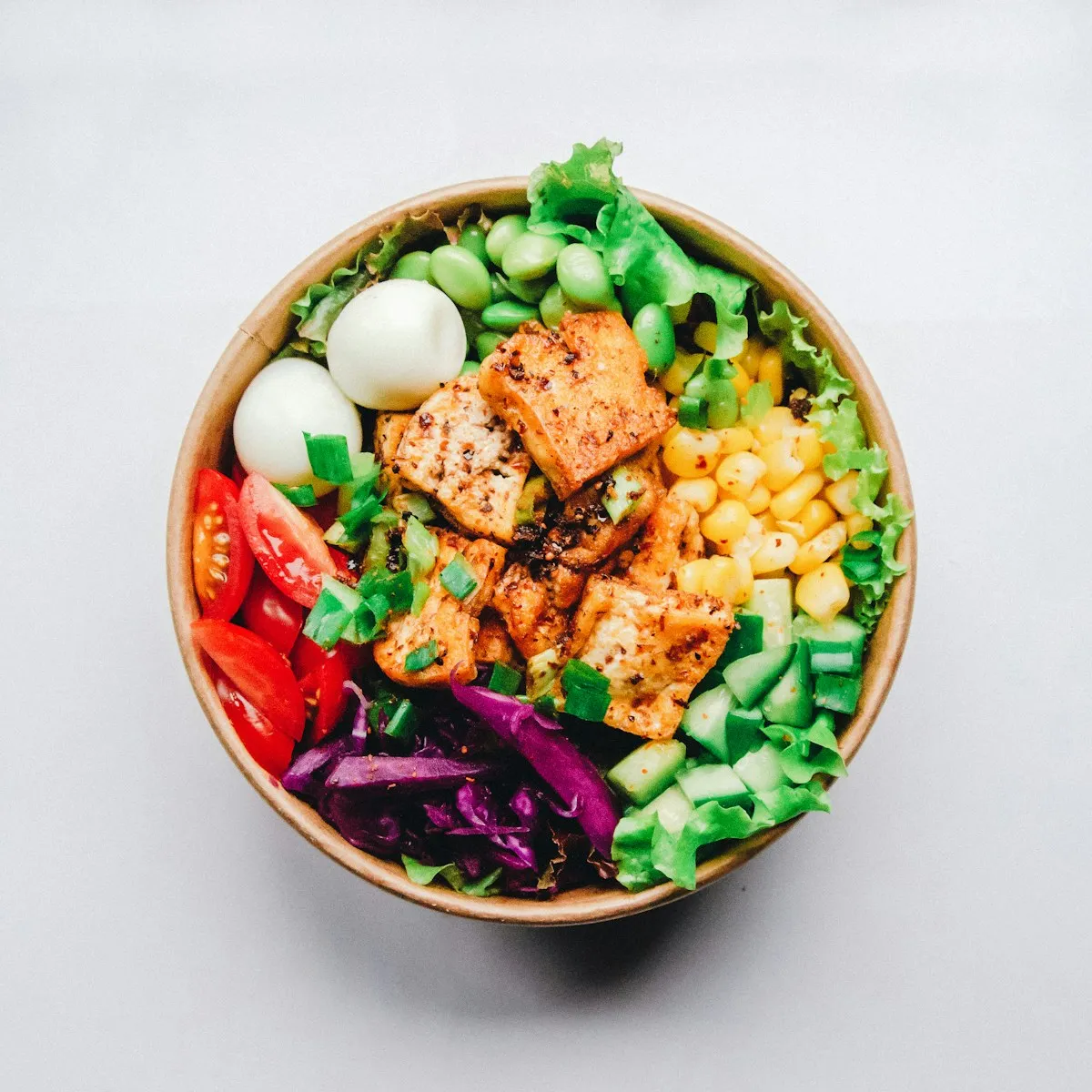
To master this, you must respect the reduction process. Start by simmering your soy, honey, and freshly grated ginger over medium heat. Watch the bubbles carefully. In the beginning, they will be small, fast, and watery. This is just the water content evaporating. As the sugars concentrate, the bubbles will become larger, slower, and what I like to call "lazy." Use a spoon to check the consistency; if the sauce coats the back of the spoon without immediately running off, you’ve reached the "nappe" stage. This is your cue to pull it off the heat. If you go too far, the sugars will burn, turning your sweet-savory masterpiece into a bitter, charred mess.
Another pro tip: let your ginger and garlic hang out in the soy sauce for a few minutes before you hit the heat. Fresh ginger contains an enzyme called zingibain, which actually helps tenderize protein. While you won't be marinating the salmon for hours, even those few minutes of prep time allow the aromatic oils to fully infuse the liquid, ensuring every bite of your 15-minute meals packs a punch.
Mastering the Thermodynamic Salmon
Cooking salmon can be intimidating, but it’s actually one of the most predictable proteins if you follow the laws of physics. The most common mistake? Overcooking. Salmon is a fatty fish, but its muscle fibers are delicate. Once the internal temperature climbs past 145°F, those fibers contract tightly, squeezing out the moisture and leaving you with a dry, chalky fillet.
To avoid this, always cook your salmon skin-side down first. Think of the skin as a natural heat shield. It protects the tender flesh from the direct intensity of the pan, allowing the heat to move upward gradually. Use a heavy-bottomed skillet, cast iron is the gold standard here, to ensure even heat distribution. Press down on the fillets with a spatula for the first 30 seconds to prevent the skin from curling. This ensures maximum surface contact, leading to that crispy, salty skin we all crave.
Watch the "cook line" on the side of the fillet. You’ll see the meat change from translucent pink to opaque beige as the heat climbs. When that line reaches the halfway mark, it’s time to flip. Once flipped, turn the heat down. Since you’re adding a sugary glaze at the very end, you don't want a screaming hot pan that will scorch the sauce. Aim for an internal temperature of 135–140°F, then let it rest. The "carry-over cooking" will bring it to a perfect, flakey 145°F while you assemble your bowl. This is the secret to keeping your healthy dinner ideas actually tasting like quality food.
The Foundation: Rice Porosity and Avocado Fats
A bowl is only as good as its base. For this recipe, I lean heavily on jasmine rice for its aromatic profile and light, fluffy texture. However, the science of the bowl depends on how the rice interacts with the glaze. If you use freshly cooked, steaming hot rice, it acts like a sponge, soaking up every drop of sauce. This is great for flavor but can lead to a soggy bottom.
If you prefer a bit more structure, use day-old rice that has been refrigerated. The chilling process causes the starches to undergo "retrogradation," making the grains firmer and less likely to break down. When you reheat it with a splash of water, the grains stay distinct, providing a beautiful textural contrast to the soft, buttery avocado.
Speaking of avocado, it’s not just a garnish; it’s a functional component of the dish. The high monounsaturated fat content in avocado provides a creamy mouthfeel that cuts through the saltiness of the soy sauce and the acidity of the ginger. Always slice your avocado at the very last second to prevent oxidation (that annoying browning). If you must prep ahead, a quick squeeze of lime juice will lower the pH of the fruit's surface, slowing down the enzymes that cause browning.
Flavor Variations and Speed Hacks
While the stovetop method is classic, we live in the golden age of kitchen tech. If you’re truly strapped for time, you can easily adapt this into one of your favorite air fryer recipes dinner staples. Simply glaze the salmon and pop it into the air fryer at 400°F for 8–10 minutes. The circulating air creates a beautiful "lacquered" finish on the glaze that is hard to replicate in a pan.
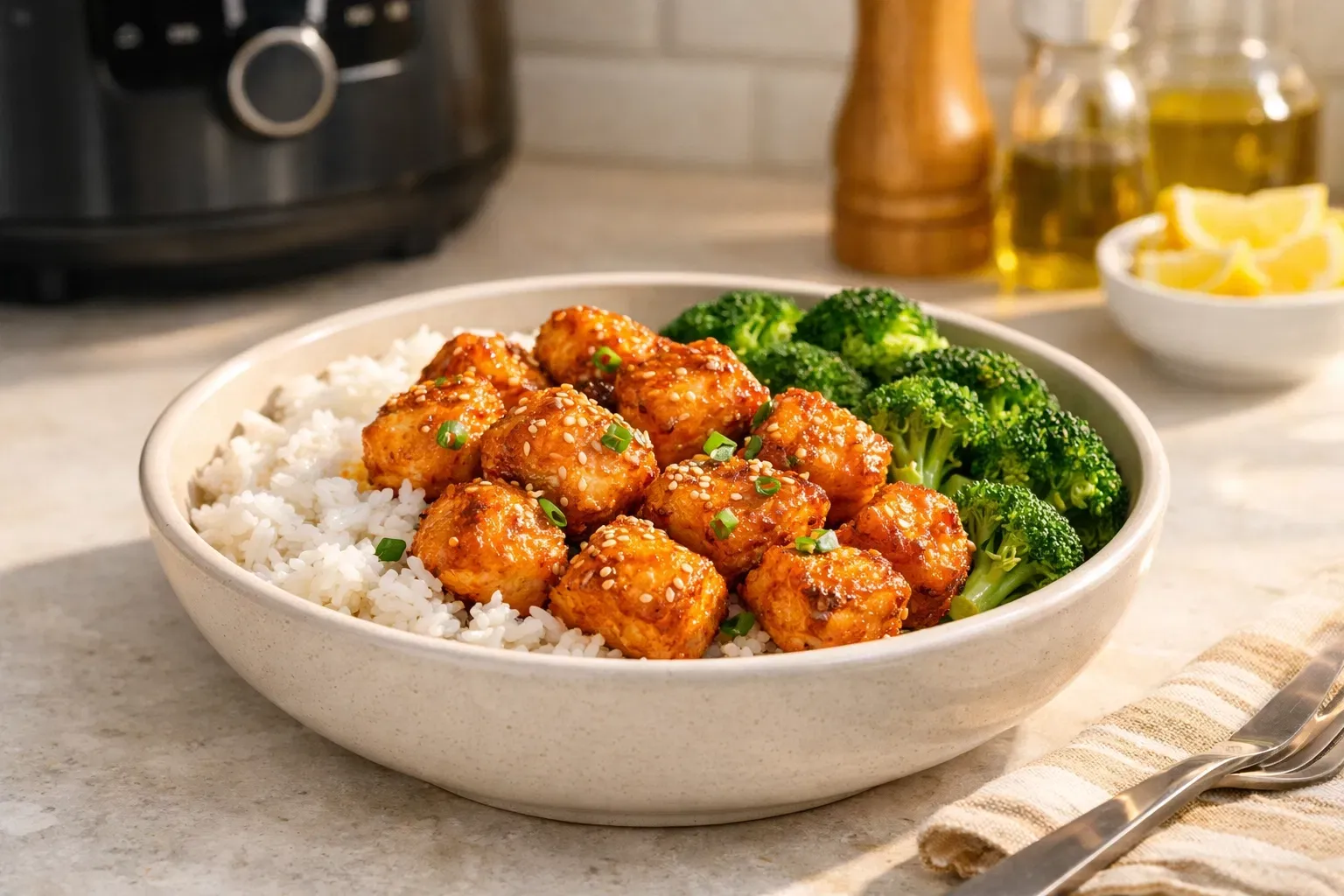
For those looking for a plant-based twist, the soy-ginger glaze works wonders on extra-firm tofu or even thick cauliflower steaks. If you're following a keto lifestyle, swap the jasmine rice for cauliflower rice sautéed with a teaspoon of sesame oil. It maintains the "bowl" experience while keeping the carb count low, making it one of the most versatile quick family meals in your repertoire.
Don't be afraid to experiment with the heat, either. If you like a kick, whisk a teaspoon of sambal oelek or sriracha into your glaze. The capsaicin in the chili will heighten the savory "umami" notes of the soy sauce, creating a more complex flavor profile without adding extra cooking time.
Perfecting the Side Dish Pairings
Balance is the name of the game when it comes to side pairings. Because the salmon and avocado are both rich and fatty, you need something bright and acidic to cleanse the palate. A quick "smashed cucumber" salad is my go-to. By physically smashing the cucumbers with the side of a knife, you create craggy edges and cracks that are perfect for trapping a rice vinegar dressing.
Pickled elements are another non-negotiable for me. Whether it's quick-pickled red onions or some store-bought kimchi, that fermented funk provides a necessary counterpoint to the sweetness of the glaze. If you want to keep it simple, a side of steamed edamame or a handful of fresh microgreens will add a much-needed crunch. These small additions are what elevate a simple meal into the category of quick family meals that everyone actually looks forward to.
Frequently Asked Questions
Can I use frozen salmon for this?
Absolutely, but you must thaw it correctly to maintain the texture. Avoid the "hot water thaw" at all costs; it partially cooks the outside while the inside stays frozen, leading to a rubbery mess. Thaw it in the fridge overnight or in a sealed bag under cold running water for 20 minutes. Pat it extremely dry before cooking; any surface moisture will create steam, preventing that beautiful sear.
Why did my glaze turn into a sticky rock?
You likely over-reduced it. Sugars move quickly from "syrup" to "candy" once the water is gone. If this happens, don't panic. Add a tablespoon of warm water or rice vinegar to the pan and whisk vigorously over low heat. The liquid will re-dissolve the sugars and bring your glaze back to a pourable state.
Is it safe to cook salmon in an air fryer?
Yes, and it's actually one of the best ways to get a consistent result for air fryer recipes dinner. The high-velocity air mimics a convection oven, which is great for "setting" the glaze. Just make sure to grease the basket well, as salmon skin loves to stick to metal.
Can I make the glaze in bulk?
You sure can. This glaze stays fresh in the fridge for up to two weeks. Store it in a glass jar. When you're ready for more healthy dinner ideas, just pull it out, give it a shake, and you’ve cut your prep time down even further.
What if I don't have fresh ginger?
While fresh is best for that zingy bite, you can use ground ginger in a pinch. Use about 1/4 teaspoon of ground ginger for every tablespoon of fresh ginger called for. The flavor will be more "warm" and less "sharp," but it still makes for a delicious bowl.
Why does my salmon have white stuff on it?
That white stuff is called albumin: it's just a protein that gets pushed out of the muscle fibers when they contract. It’s perfectly safe to eat, but it usually means the fish was cooked a bit too fast or at too high a temperature. Reducing your heat slightly or pulling the fish off the heat a minute earlier next time will help minimize it.
{“@type”:”BlogPosting”,”image”:”https://cdn.marblism.com/vCvR5M0c1xw.webp”,”author”:{“name”:”Penny”,”@type”:”Person”},”@context”:”https://schema.org”,”headline”:”15-Minute Meals: Quick Salmon and Avocado Rice Bowls with Soy Ginger Glaze”,”publisher”:{“logo”:{“url”:”https://cookpedia.com/logo.png”,”@type”:”ImageObject”},”name”:”Cookpedia”,”@type”:”Organization”},”description”:”Learn how to make a restaurant-quality Soy Ginger Salmon Rice Bowl in just 15 minutes. This guide covers the science of the perfect glaze and professional searing techniques.”,”datePublished”:”2026-08-01T12:00:00Z”,”mainEntityOfPage”:{“@id”:”https://cookpedia.com/15-minute-salmon-avocado-rice-bowls”,”@type”:”WebPage”}}