Recipe
Servings
Servings 1×
Ingredients
- Pork
- Tofu
- Broccoli
- Peas
- Fresh ginger
- Soy sauce or tamari
- Chili seasoning
Method
- Prepare the ingredients described in the article and heat the cooking surface or oven as directed.
- Cook the main ingredients using the heat and timing guidance in the article.
- Finish with the seasonings and garnishes named in the article, then serve.
You know that frantic 6:00 PM scramble when the fridge looks like a puzzle and your patience is wearing thin? We’ve all been there. That’s why I swear by 15-minute meals that don't taste like a compromise. This quick pork and vegetable stir-fry is my secret weapon. It’s punchy, savory, and faster than the delivery driver can find your doorbell. If you’re hunting for healthy dinner ideas that actually satisfy a craving, you’ve just found the gold mine.
The Science of the Sizzle: Mastering Heat and Texture
To pull off a restaurant-quality stir-fry in under fifteen minutes, you have to understand the "why" behind the wok. It isn't just about throwing things in a pan; it's about managing moisture and temperature to trigger the Maillard reaction. This is the chemical reaction between amino acids and reducing sugars that gives browned food its distinctive, savory flavor. If your pan isn't hot enough, your pork will "stew" in its own juices instead of searing, leaving you with gray, rubbery meat.
Velvetting: The Secret to Silky Pork
Have you ever wondered why the pork in professional kitchens is impossibly tender? The secret is a technique called velvetting. By tossing your sliced pork in a light coating of cornstarch and a splash of soy sauce before it hits the heat, you create a protective barrier. This starch layer gelatinizes instantly, trapping moisture inside the muscle fibers and giving the meat a "velvety" mouthfeel. Even leaner cuts like pork loin become remarkably succulent.
Dryness is Your Best Friend
Moisture is the enemy of a good sear. Before you even think about the stovetop, blot your pork dry with paper towels. Any surface water on the meat or vegetables will absorb the pan's energy, keeping the temperature stuck at the boiling point (212°F) rather than reaching the 300°F+ needed for browning. Dry ingredients equal better flavor. Period.
The Wok Temperature Test
Don't guess if your pan is ready. Use the water drop test: flick a couple of drops of water into the pan. If they sit there and sizzle, it’s too cold. If they immediately dance around and evaporate in less than a second, you’re in business. This high-intensity heat is what allows you to whip up quick family meals without the meat becoming tough or the vegetables turning to mush.
Flavor Shifts: Stir-Fry Variations for Every Mood
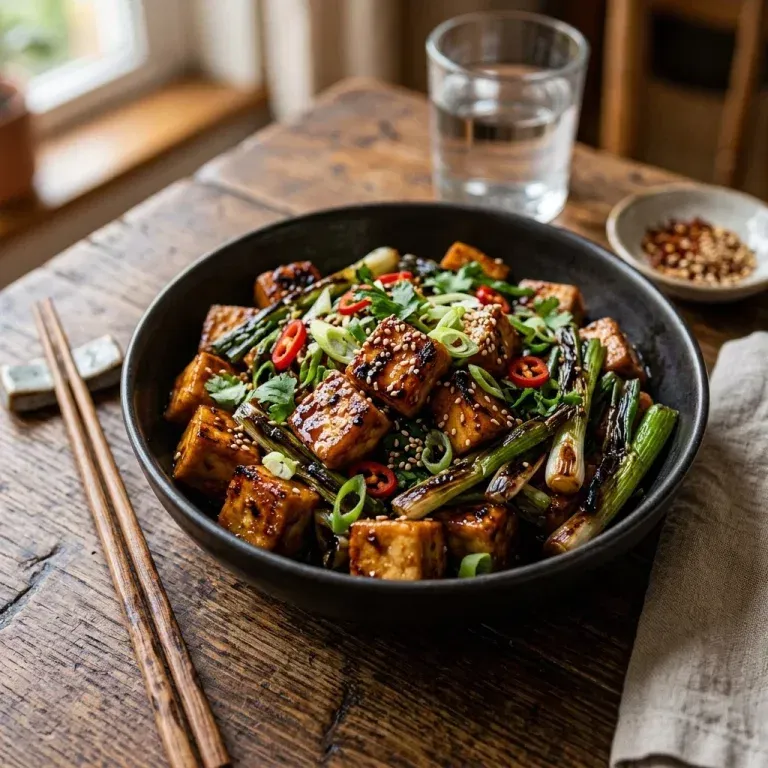
The beauty of a ginger soy base is its versatility. Once you master the pork version, you can pivot faster than a line cook during rush hour. If you’re looking to lighten things up, swap the pork for extra-firm tofu. The same velvetting rules apply; just make sure to press the tofu well to remove excess water.
For those who prefer a bit of heat, whisk a teaspoon of sambal oelek or sriracha into your ginger soy sauce. The acidity in the chili paste cuts through the richness of the pork beautifully. You can also experiment with your vegetable choices. While snap peas and peppers are classic, try thinly sliced bok choy or stems of broccolini for a different crunch.
If you're a fan of modern kitchen tech, you can even adapt elements of this for your air fryer recipes dinner rotation. While you can't "stir-fry" a sauce in an air fryer, you can certainly crisp up your velveted pork or tofu in the basket before tossing it with the vegetables and sauce in a skillet for a hybrid texture that’s incredibly satisfying.
Side Dish Pairings: Balancing the Bowl
A great stir-fry needs a partner to soak up that glorious ginger soy glaze. Steamed jasmine rice is the gold standard for a reason, its subtle floral aroma complements the zing of fresh ginger without competing for attention. If you want something heartier, try brown rice or even quinoa for an extra protein boost.
If you’re watching your carbs or just want more healthy dinner ideas, a quick smashed cucumber salad is a revelation. The cool, refreshing crunch of the cucumbers combined with a splash of rice vinegar provides a sharp acidic contrast to the savory, salty pork. It cleanses the palate between bites and keeps the meal feeling light. For a noodle twist, toss the finished stir-fry with cooked soba noodles; the nuttiness of the buckwheat pairs perfectly with the soy sauce.
Stir-Fry Troubleshooting: Your FAQ
Why did my meat stick to the pan?
This usually happens for two reasons: the pan wasn't hot enough, or you moved the meat too soon. When the pork hits the hot oil, the proteins need a moment to sear and "release" naturally from the surface. Give it about 30-45 seconds of undisturbed contact before you start tossing. If it still sticks, your pan might need a better seasoning or a bit more oil.
Can I use pork tenderloin instead of loin?
Absolutely. Tenderloin is even more lean and tender, making it ideal for high-heat cooking. Just ensure you slice it very thin against the grain. If you’re using a tougher cut like pork shoulder, you must slice it even thinner and let the velvetting marinade sit for a full 20 minutes to help break down those tougher fibers.
How do I stop my vegetables from getting soggy?
Avoid overcrowding the pan! If you dump a mountain of cold vegetables into the wok all at once, the temperature will plummet. If you're doubling the recipe for quick family meals, cook in batches. Sear the meat, remove it, then do the veggies. Combine everything at the very end when you add the sauce.
My sauce is too thick (or too thin)!
Sauce consistency is all about the cornstarch-to-liquid ratio. If it’s like sludge, whisk in a tablespoon of water or chicken broth to thin it out. If it’s watery and won't cling to the pork, your pan might not be hot enough to activate the starch. Bring the sauce to a bubbling simmer for at least 30 seconds to ensure it thickens properly.
Is fresh ginger really necessary?
In a word: yes. Powdered ginger is fine for gingerbread, but for a stir-fry, it lacks the bright, peppery bite that defines the dish. Keep a knob of ginger in your freezer; it stays fresh for months and is actually easier to grate when frozen!
For more inspiration on balancing flavor and speed, check out our full collection of dinner recipes on Cookpedia.
{“@type”:”BlogPosting”,”image”:”https://cdn.marblism.com/obm8Y53_JL2.webp”,”author”:{“name”:”Penny”,”@type”:”Person”},”@context”:”https://schema.org”,”headline”:”15-Minute Meals: Quick Pork and Vegetable Stir-Fry with Ginger Soy Sauce”,”publisher”:{“logo”:{“url”:”https://cookpedia.com/logo.png”,”@type”:”ImageObject”},”name”:”Cookpedia”,”@type”:”Organization”},”description”:”Master the art of the 15-minute stir-fry. Learn the science of the Maillard reaction and velvetting for the perfect ginger soy pork and vegetable dinner.”,”datePublished”:”2026-07-31T05:00:00Z”,”mainEntityOfPage”:{“@id”:”https://cookpedia.com/15-minute-meals-pork-vegetable-stir-fry”,”@type”:”WebPage”}}