Recipe
Servings
Servings 1×
Ingredients
- Salmon
- Rice
- Cauliflower
- Asparagus
- Avocado
- Garlic
- Lemon
- Lime
- Butter
- Cooking oil
- Salt
- Black pepper
Method
- Let’s be honest: your weeknight kitchen energy usually fluctuates between "I am a Michelin-starred chef" and "I will eat a handful of almonds and call it a day." I’ve been there, staring at the fridge while my stomach performs a drum solo.
- Let it lose that icy edge.
- Use a heavy-bottomed skillet, cast iron is my ride-or-die here, and get it hot.
- Pat your salmon dry with a paper towel.
- Use a splash of avocado oil or olive oil to start the sear, then drop the butter in during the last few minutes.
- Heat breaks down the cell walls of the asparagus, making it tender.
Let’s be honest: your weeknight kitchen energy usually fluctuates between "I am a Michelin-starred chef" and "I will eat a handful of almonds and call it a day." I’ve been there, staring at the fridge while my stomach performs a drum solo. That is why I am obsessed with this 15-minute keto salmon and asparagus. It is the ultimate weapon for anyone looking for quick healthy meals that don't taste like cardboard. We are talking high-fat, high-flavor, and high-speed cooking that makes you feel like you actually have your life together, even if you’re still wearing pajamas at 6 PM.
The Science of the Perfect 15-Minute Sear
If you want to master keto recipes for beginners, you have to understand the chemistry of the pan. Salmon is a delicate beast. Its proteins, primarily myosin and albumin, are sensitive to heat. When you hit a hot pan with a cold piece of fish, you risk the "albumin bleed", that white goop that leaks out when the muscle fibers contract too quickly and squeeze out the moisture. To avoid this, take your salmon out of the fridge ten minutes before you plan to cook it. Let it lose that icy edge.
Mastery of the Maillard Reaction
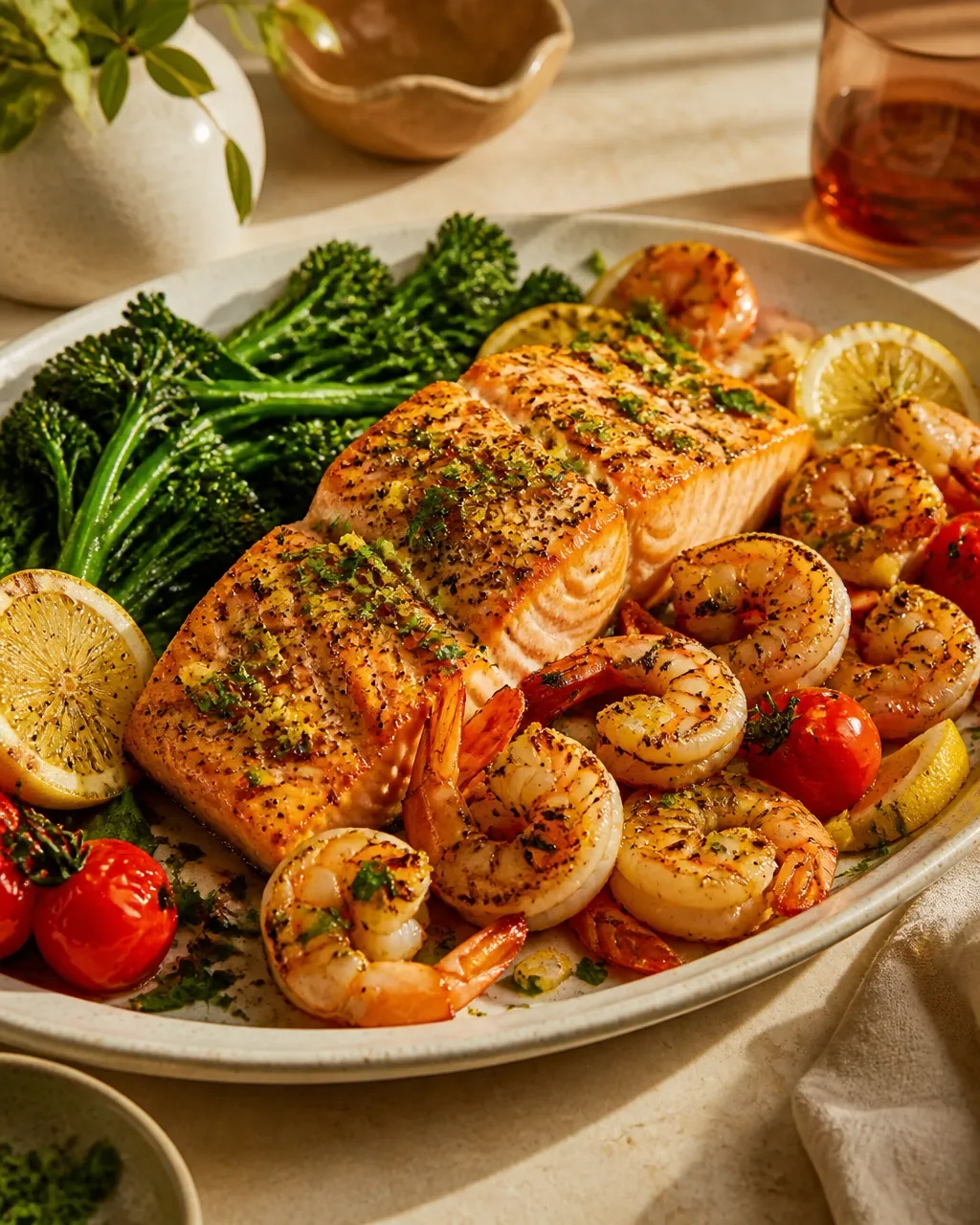
Use a heavy-bottomed skillet, cast iron is my ride-or-die here, and get it hot. Not "warm," not "polite," but shimmering. When the salmon hits the pan, you are looking for the Maillard reaction. This is the chemical dance between amino acids and reducing sugars that creates that golden-brown crust and deep, savory flavor. Since we aren't using sugar or flour (because, keto), the natural fats in the salmon and the butter are doing the heavy lifting.
Pat your salmon dry with a paper towel. Moisture is the enemy of a good sear. If the surface is wet, the heat goes into evaporating water instead of browning the protein. You’ll end up with gray, sad, steamed fish. Avoid the steam; embrace the sizzle.
Butter Emulsification and Garlic Infusion
Butter is more than just fat; it’s an emulsion of water, fat, and milk solids. When you add garlic to the pan, you are performing a fat-soluble extraction. The aromatic compounds in garlic, specifically allicin, dissolve beautifully into the butter, which then coats the salmon and asparagus.
However, butter has a lower smoke point than oil. Use a splash of avocado oil or olive oil to start the sear, then drop the butter in during the last few minutes. This technique, known as "basting," allows you to spoon that liquid gold over the fillets. It gently cooks the top of the fish while keeping the center medium-rare and buttery.
The Asparagus Snap Factor
Asparagus is the perfect partner because it cooks at nearly the same rate as a salmon fillet. The science here is about cellulose. Heat breaks down the cell walls of the asparagus, making it tender. But if you go too long, the pectin, the "glue" holding those cells together, completely dissolves, leaving you with mush. Use thin spears for a 15-minute window. They have a higher surface-area-to-volume ratio, meaning they pick up that garlic butter faster and reach that "tender-crisp" sweet spot exactly when the salmon reaches an internal temperature of 145°F.
Flavor Variations to Keep it Fresh
One of the reasons I love healthy weeknight dinners like this is the versatility. You can change the entire soul of the dish with a single herb swap. If the heavy garlic butter feels too rich for a Tuesday in July, pivot toward acidity.
- The Mediterranean Twist: Ditch the heavy garlic and use lemon zest, dried oregano, and a handful of capers. The brine from the capers cuts through the fatty salmon like a sharp knife, providing a balanced, salty punch that mimics a classic Piccata.
- The Spicy Citrus Kick: Use lime juice instead of lemon and add a pinch of smoked paprika or red pepper flakes to your butter. The capsaicin in the peppers provides a metabolic kick, while the lime adds a bright, tropical note that makes the meal feel lighter.
- The Herbaceous Overload: Fresh dill and salmon are a match made in culinary heaven. Add the dill at the very end, heat destroys the volatile oils in fresh herbs, so you want them to just barely wilt in the residual heat of the pan.
Perfect Side Dish Pairings
While salmon and asparagus are a complete powerhouse on their own, sometimes you need a little something extra to round out the plate. When you’re looking for quick healthy meals, balance is everything. Since this dish is heavy on rich fats and savory garlic, you want a side that offers acidity or a crunch.
A simple arugula salad is my go-to. The peppery bite of raw arugula acts as a palate cleanser against the creamy garlic butter. Toss it with a very basic vinaigrette, just lemon juice, olive oil, and a pinch of salt. You don't want a heavy dressing competing with the stars of the show.
Alternatively, if you’re craving something more substantial, cauliflower rice is the obvious keto choice. If you want to get fancy, sauté the cauliflower rice in the same pan after you've removed the salmon. It will soak up all those leftover brown bits (the "fond") and the garlic butter remnants, ensuring that not a single drop of flavor goes to waste. It’s efficient, it’s delicious, and it keeps your carb count exactly where it needs to be.
FAQ: Troubleshooting Your Salmon
Why did my salmon stick to the pan?
Check your patience. If the salmon is sticking, it’s usually because the Maillard reaction isn't finished. When a proper crust has formed, the fish will naturally "release" from the pan. If you try to flip it and it resists, give it another 30 seconds. Also, make sure your pan was sufficiently hot before the fish went in.
Can I use frozen salmon for this?
Yes, but you must thaw it completely and pat it extremely dry. Frozen fish often contains extra moisture from the freezing process. If you don't dry it thoroughly, you’ll end up boiling your fish in its own juices. Not the vibe we're going for.
Is it better to leave the skin on?
Absolutely. Even if you don't plan on eating the skin, it acts as a thermal barrier. It protects the delicate flesh from the direct heat of the pan, helping the fish cook more evenly. If you do like crispy skin (and you should), sear skin-side down for about 70% of the total cooking time.
How do I know when the asparagus is done?
Use the "fork test" or simply look at the color. It should transition from a dull green to a vibrant, bright "electric" green. Once it starts to turn olive-drab or yellowish, you’ve overcooked it and lost that satisfying snap.
What if I don't have a cast-iron skillet?
A stainless steel pan works beautifully, but avoid non-stick if you want a really high-quality sear. Non-stick coatings often can't handle the high heat required for that perfect crust, and they don't produce the same level of browning.
Can I substitute the asparagus?
If you aren't an asparagus fan, broccolini or green beans are excellent substitutes. Just keep in mind that thicker vegetables might need an extra two minutes of sear time before you add the salmon to the pan.
Home cooking doesn't have to be a chore. When you understand the science of heat and the importance of high-quality fats, you can turn basic ingredients into a soulful, restaurant-quality meal in less time than it takes to scroll through a delivery app. Now, get that pan hot and show that salmon who’s boss.
{“@type”:”BlogPosting”,”image”:[“https://cdn.marblism.com/bc3Z7k2X5h8.webp”,”https://cdn.marblism.com/S-O0zWznfq9.webp”,”https://cdn.marblism.com/O8k8eQ8FrED.webp”],”author”:{“name”:”Cookpedia”,”@type”:”Organization”},”@context”:”https://schema.org”,”headline”:”15-Minute Keto Garlic Butter Salmon with Asparagus”,”publisher”:{“logo”:{“url”:”https://cookpedia.com/logo.png”,”@type”:”ImageObject”},”name”:”Cookpedia”,”@type”:”Organization”},”mainEntity”:{“@type”:”FAQPage”,”mainEntity”:[{“name”:”Why did my salmon stick to the pan?”,”@type”:”Question”,”acceptedAnswer”:{“text”:”If the salmon is sticking, it’s usually because the Maillard reaction isn’t finished. When a proper crust has formed, the fish will naturally ‘release’ from the pan.”,”@type”:”Answer”}},{“name”:”Can I use frozen salmon for this?”,”@type”:”Question”,”acceptedAnswer”:{“text”:”Yes, but you must thaw it completely and pat it extremely dry to avoid steaming the fish.”,”@type”:”Answer”}},{“name”:”How do I know when the asparagus is done?”,”@type”:”Question”,”acceptedAnswer”:{“text”:”It should be vibrant, bright green. Once it turns olive-drab, it is overcooked.”,”@type”:”Answer”}}]},”description”:”A quick and soulful keto salmon recipe focusing on the science of searing, garlic butter emulsification, and perfect asparagus texture.”,”datePublished”:”2026-06-19″,”mainEntityOfPage”:{“@id”:”https://cookpedia.com/keto-garlic-butter-salmon-asparagus”,”@type”:”WebPage”}}