Recipe
Servings
Servings 1×
Ingredients
- Beans
- Garlic
- Lemon
- Butter
- Cooking oil
- Soy sauce or tamari
- Chili seasoning
Method
- Use a splash of water, lemon juice, or even a dash of soy sauce in the pan first.
- Use a whisk and maintain moderate heat.
- Drain them immediately and let them steam off for thirty seconds before tossing them into your sauce.
- Use high-quality grass-fed butter here, as its higher fat content and beta-carotene levels provide a richer, more floral flavor profile.
You have fifteen minutes. The fridge is staring back at you, and the temptation to order takeout is real. But there is a better way. My favorite solution for those nights when time is a luxury you don’t have is the 15-Minute Garlic Butter Edamame Bowl. It’s minimalist, soulful, and hits that perfect intersection of high protein and deep, buttery comfort. This isn't just a snack; it’s a masterclass in how simple ingredients can transform into a sophisticated meal with the right technique.
The Science of the Emulsion: Why Your Sauce Matters
The secret to a soul-satisfying edamame bowl isn't just "melting butter." If you simply melt butter over heat, you get a greasy puddle. To achieve that restaurant-quality, velvety coating that clings to every pod, you need to understand the science of emulsification. Butter is naturally a water-in-fat emulsion, held together by milk proteins. When you heat it too quickly or too high, that bond breaks.
To build a stable garlic butter sauce, start with a "watery" base. Use a splash of water, lemon juice, or even a dash of soy sauce in the pan first. When you whisk cold butter into this warm (not boiling) liquid, you are creating a new emulsion. The milk solids in the butter act as a bridge between the fat and the liquid. This results in a sauce that is thick, glossy, and opaque. Use a whisk and maintain moderate heat. If you see the sauce starting to look clear and oily, you’ve lost the emulsion. Quickly whisk in a teaspoon of cool water to "reset" the chemistry and bring back that creamy texture.
Garlic isn't just there for flavor; it’s a functional ingredient. Garlic contains natural emulsifiers like saponins and proteins that help stabilize your sauce even further. When you finely mince or grate your garlic into the base, these compounds disperse and help "grab" the fat droplets from the butter. This is why a garlic-heavy sauce often feels creamier than one without it.
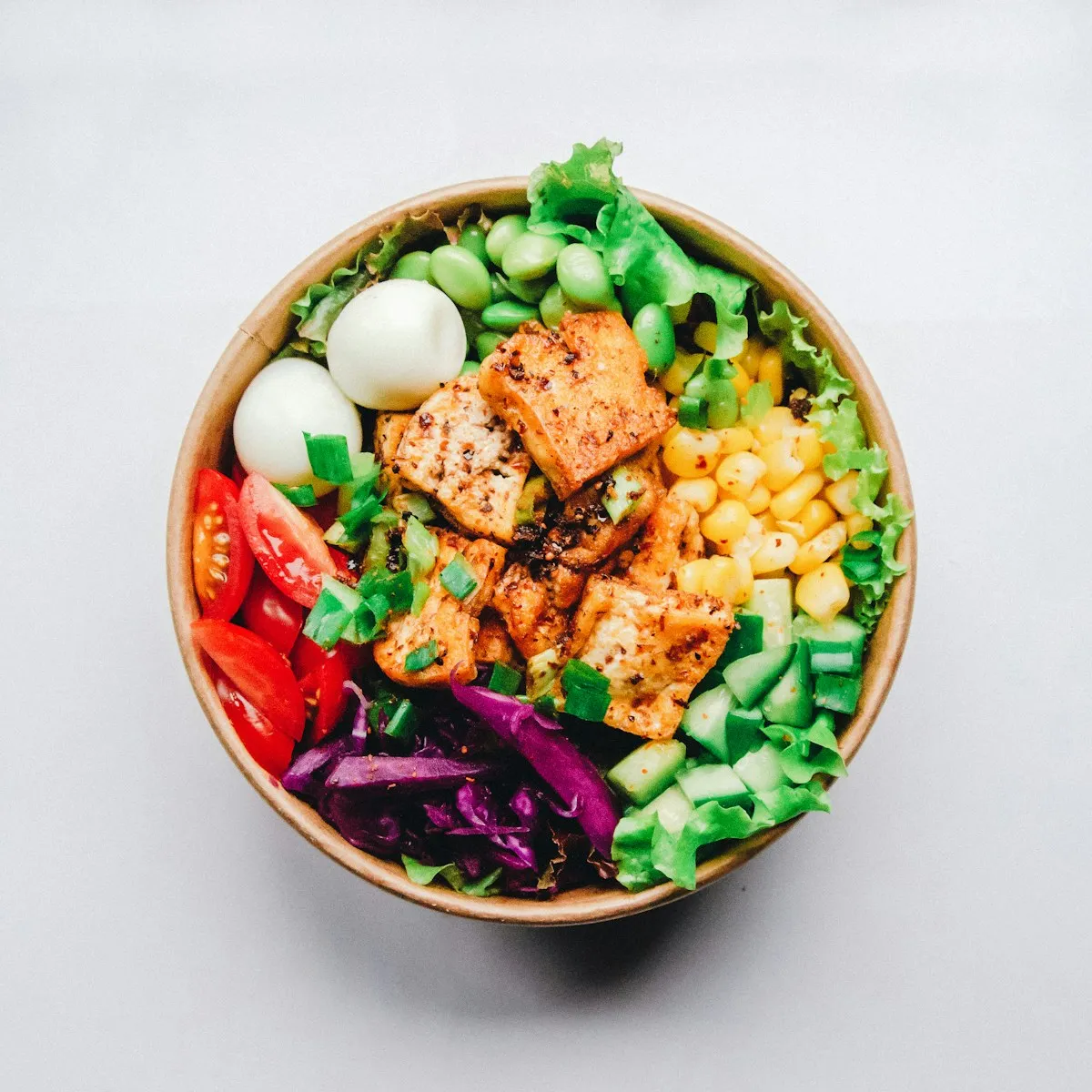
Technique also applies to the edamame itself. To ensure a firm, snappy bite, always cook your edamame from frozen. Thawing them beforehand leads to a mealy, soft interior because the cell walls begin to break down during the slow transition from ice to liquid. By dropping frozen pods directly into boiling salted water for exactly three to four minutes, you flash-cook the bean, preserving its structural integrity and vibrant green color. Drain them immediately and let them steam off for thirty seconds before tossing them into your sauce. This "dry-off" period is non-negotiable; if the pods are dripping with water, they will dilute your beautiful emulsion into a watery mess.
If you’re looking for more healthy dinner ideas, mastering these small technical details, like the heat of your pan and the moisture of your ingredients, is what separates a mediocre home cook from a kitchen pro.
Elevating the Bowl: Soulful Variations
While the garlic butter base is a classic, the beauty of minimalist cooking is its versatility. You can pivot the soul of this dish with just one or two ingredient swaps.
For a Japanese-inspired twist, whisk a teaspoon of white miso paste into your butter emulsion. Miso adds a deep, fermented umami that complements the sweetness of the edamame perfectly. This variation creates one of those quick family meals that feels far more complex than a fifteen-minute effort. Alternatively, if you want something with more "bite," add a tablespoon of gochujang (Korean chili paste) to the garlic before adding the butter. The sugar in the paste will slightly caramelize, giving you a spicy-sweet glaze that is addictive.
If you prefer a Mediterranean profile, swap the soy for lemon zest and a pinch of dried oregano. Use high-quality grass-fed butter here, as its higher fat content and beta-carotene levels provide a richer, more floral flavor profile. You can even experiment with your cooking method; while boiling is the standard, using air fryer recipes dinner techniques can add a blistered, smoky dimension to the pods. Simply toss the frozen pods in a tiny bit of oil and air fry at 400°F for 5-7 minutes until they show small charred spots, then toss them in your prepared garlic butter sauce.
Side Dish Pairings: Finding the Balance
A garlic butter edamame bowl is rich and savory, so your side dishes should focus on acidity and crunch to provide a necessary counterpoint. Think about balance: the fat in the butter needs a sharp "cutter."
A simple cucumber salad with a rice vinegar and ginger dressing is the perfect partner. The high water content and acidity of the cucumber reset your palate between buttery bites of edamame. If you want something heartier, a side of creamy pasta can turn this from a light meal into a feast. The starch from the noodles or pasta works beautifully with the leftover garlic butter at the bottom of your bowl.
Avoid anything too heavy or cream-based as a side. You already have the richness of the butter sauce; adding more dairy or heavy fats will overwhelm the meal. Stick to bright, fresh, and acidic components. A quick slaw made with shredded cabbage, lime juice, and cilantro is another excellent option for those seeking healthy dinner ideas that don't feel like "diet food."
FAQ: Troubleshooting Your Edamame Mastery
What if my sauce separates and looks oily?
This usually happens because the heat was too high or the butter was added too quickly. Don't panic. Take the pan off the heat immediately. Add one teaspoon of room-temperature water and whisk vigorously. The water helps re-establish the continuous phase of the emulsion, pulling the fat back into the fold.
Can I use shelled edamame instead of pods?
Absolutely. Shelled edamame (mukimame) is great for a more "spoonable" bowl. However, keep in mind that the pods act as a vessel for the sauce. When you eat them from the pod, you get a direct hit of garlic butter on your tongue. With shelled beans, you may want to serve them over a base like rice or quinoa to catch every drop of that liquid gold.
Is it okay to use salted butter?
Yes, but you must adjust your seasoning accordingly. If you use salted butter, omit the extra salt until the very end. Taste the sauce first. Garlic and butter are powerful, and it’s very easy to over-salt this dish, especially if you also added a splash of soy sauce.
Why is my garlic bitter?
If your garlic tastes bitter, you likely burnt it. Garlic has a high sugar content and very low water content, meaning it goes from raw to burnt in seconds. Always cook your garlic over medium-low heat just until it becomes fragrant (about 30-45 seconds) before adding your liquid base. Never let it turn dark brown.
Can I make this ahead of time for meal prep?
Edamame is best served fresh. The emulsion of the garlic butter will solidify in the fridge. While you can reheat it, the sauce may break and become greasy. If you must meal prep, store the cooked edamame separately and make the 2-minute garlic butter sauce fresh when you're ready to eat.
My edamame is mushy, what happened?
You likely overcooked it or let it sit in the hot water too long. Edamame only needs 3-5 minutes in boiling water. As soon as that timer goes off, drain it. The residual heat will continue to cook the beans, so don't let them linger in a pile of steam.
By following these scientific principles and focusing on the quality of your emulsion, you can turn a bag of frozen beans into a meal that feels like a warm hug. It’s the ultimate proof that you don’t need hours in the kitchen to create something truly soulful.
{“@type”:”BlogPosting”,”image”:”https://image.pollinations.ai/prompt/A%20steaming%20rustic%20bowl%20of%20bright%20green%20edamame%20pods%20tossed%20in%20a%20glossy%20golden%20garlic%20butter%20sauce%20with%20red%20chili%20flakes%20on%20a%20wooden%20table%20natural%20lighting%20high-quality%20food%20photography?width=1024&height=1024&nologo=true”,”author”:{“name”:”Penny”,”@type”:”Person”},”@context”:”https://schema.org”,”headline”:”15-Minute Garlic Butter Edamame Bowl: Minimalist & Soulful”,”publisher”:{“logo”:{“url”:”https://cookpedia.com/logo.png”,”@type”:”ImageObject”},”name”:”Cookpedia”,”@type”:”Organization”},”description”:”Learn the science behind the perfect garlic butter edamame bowl. A 15-minute, high-protein meal that is minimalist, soulful, and packed with flavor.”,”datePublished”:”2026-06-19″,”mainEntityOfPage”:{“@id”:”https://cookpedia.com/15-minute-garlic-butter-edamame-bowl”,”@type”:”WebPage”}}