Recipe
Servings
Servings 1×
Ingredients
- Rice
- Avocado
- Soy sauce or tamari
- Salt
Method
- Prepare the ingredients described in the article and heat the cooking surface or oven as directed.
- Cook the main ingredients using the heat and timing guidance in the article.
- Finish with the seasonings and garnishes named in the article, then serve.
Let’s be honest: your weeknight schedule is a minefield. Between the endless "quick" tasks that take an hour and the general exhaustion of existing, the last thing you need is a dinner that requires a degree in culinary arts and three hours of prep. That is exactly why this tuna and avocado sushi bowl is my absolute go-to. It gives you all the high-end vibes of a fancy sushi spot without the high-end price tag or the stressful rolling mats. It is the ultimate solution when you need healthy dinner ideas that actually taste like a reward for surviving the day.
The Chemistry of the Perfect Grain: Why Rice Temperature Matters
The soul of any sushi-inspired dish isn't actually the fish; it’s the rice. If you’ve ever wondered why restaurant rice tastes "bright" while yours tastes like plain starch, the secret is a little thing called pH balance and thermal absorption. When you cook your rice, the starch granules swell and become porous. This is your window of opportunity.
Add your seasoned vinegar mixture while the rice is still steaming hot. Scientifically, heat increases the kinetic energy of the molecules, allowing the vinegar, sugar, and salt to penetrate deep into the center of each grain rather than just coating the outside. This doesn't just flavor the rice; the acidity of the vinegar lowers the pH, which sharpens the flavor of everything it touches. It acts as a natural flavor enhancer, making the umami in the tuna and the creaminess of the avocado pop. Avoid letting the rice cool before seasoning, or you’ll end up with a sticky, bland mess that refuses to soak up that signature tang.
Balancing the Big Three: Fat, Acid, and Umami
Cooking is essentially a balancing act of chemical properties. In this bowl, you have two heavy hitters in terms of fat: the tuna and the avocado. Fat is fantastic, it carries flavor and provides that luxurious mouthfeel, but too much of it makes a dish feel heavy and "flat." To fix this, you need to use acid as a culinary "cleanser."
The rice vinegar in the grains and a squeeze of citrus over the fish serve a functional purpose. Acid cuts through the fat molecules on your tongue, refreshing your palate after every bite. This is why you keep going back for more; your brain isn't getting "fatigued" by the richness. Pair this with the hit of umami from soy sauce and nori. Umami is the savory "fifth taste" that signals protein to your brain, making the meal feel incredibly satisfying. If your bowl tastes a bit "blah," don't just dump more salt in. Check your acid levels first. Usually, a tiny splash of vinegar is the missing link that wakes the whole dish up.
Quick Family Meals and Customization
When you're looking for quick family meals, the "bowl" format is your best friend because it’s infinitely customizable. You can deconstruct this for the picky eaters or load it up for the spice-lovers. The beauty of the sushi bowl is that it scales effortlessly. If you have five minutes extra, you can even sear the tuna quickly in a hot pan for a different texture profile, though the raw or high-quality canned versions work perfectly for a true 15-minute turnaround.
Variations: Cutting the Richness with Creative Bases
If you’re looking to switch things up or want to lean into more healthy dinner ideas, try swapping the white rice for a high-fiber alternative. Brown rice adds a nutty, earthy base that stands up well to the fatty tuna, though it does require a slightly more aggressive vinegar seasoning because the bran layer makes it less absorbent.
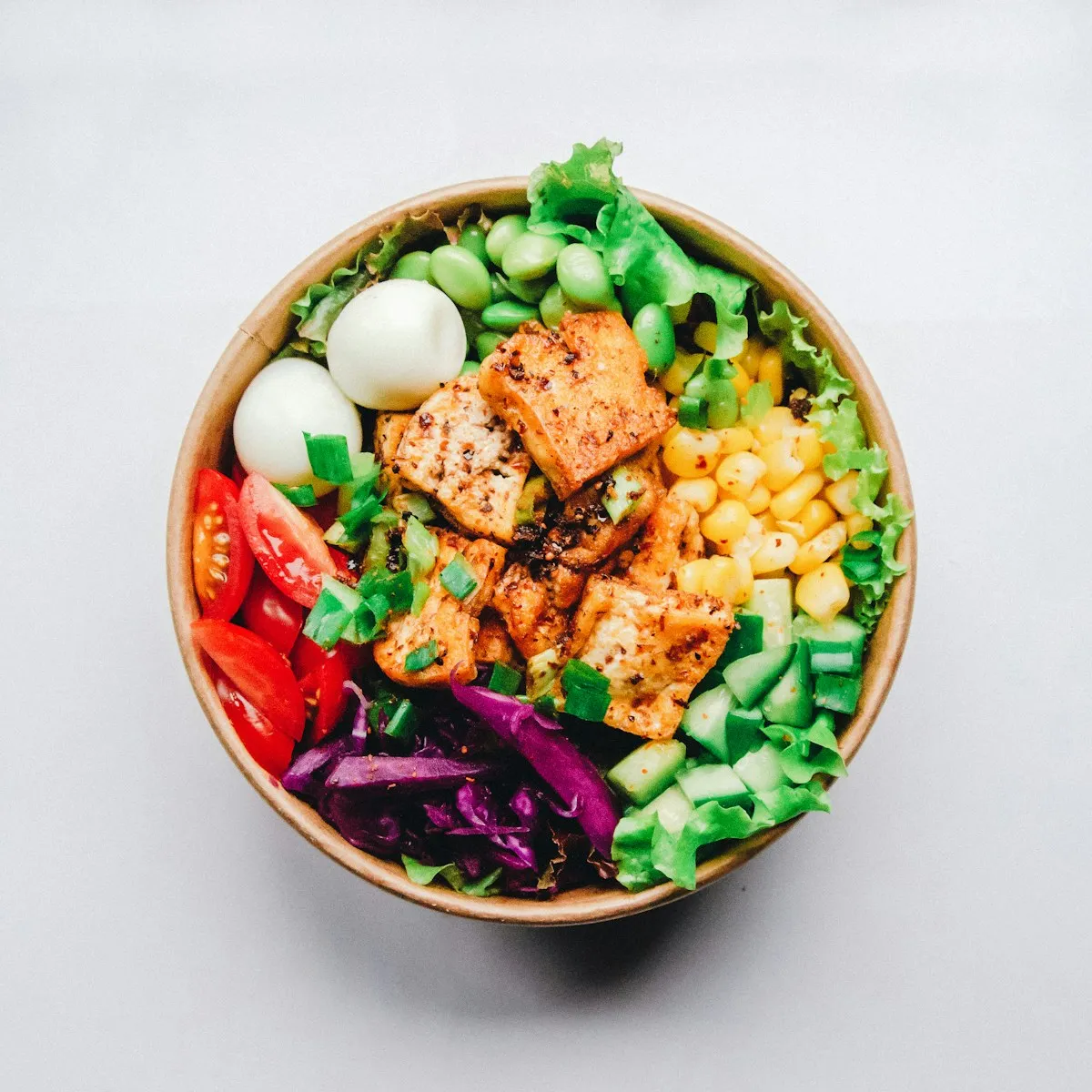
For a low-carb or keto-friendly version, cauliflower rice is a great substitute. Since cauliflower doesn't have the natural starch of rice, skip the vinegar "soak" and instead use a thicker ginger-soy dressing to bind the ingredients. You can also play with the "crunch" factor. Add radishes, edamame, or even shredded purple cabbage. These aren't just for color; the fibrous texture of raw vegetables provides a necessary contrast to the soft tuna and buttery avocado, which keeps the eating experience interesting from the first bite to the last.
Side Dish Pairings: Finding the Right Contrast
Since the sushi bowl is quite rich and creamy, your side dishes should focus on light, high-contrast flavors. I always recommend something with a significant "snap." A simple cucumber salad with a high-acid dressing is the perfect companion.
If you’re in the mood for something warm, think about quick vegetable preparations. While we aren't using the oven here, if you're a fan of air fryer recipes dinner style, you can throw some broccoli or snap peas into the basket for 5 minutes with a dash of sesame oil. The charred, crispy edges of the vegetables provide a smoky counterpoint to the fresh, cool elements of the sushi bowl. The goal is to keep the sides simple so they don't compete with the main event, but rather support the balance of fat and freshness.
Troubleshooting Your Sushi Bowl: FAQ
Can I use canned tuna if I can't find sushi-grade fish?
Absolutely. Use a high-quality canned tuna (preferably packed in water to keep it light). To make it feel more "sushi-like," mix the drained tuna with a tiny bit of sriracha and a drop of toasted sesame oil before adding it to your bowl. This mimics the flavor of a spicy tuna roll and bridges the gap between pantry staple and gourmet meal.
Why is my sushi rice so gummy and clumpy?
You likely skipped the rinse. Sushi rice is high in surface starch. If you don't wash it under cold water until the water runs clear, that starch turns into a glue-like paste during cooking. Rinse your rice thoroughly! Also, use a folding motion (like you’re folding flour into cake batter) when adding the vinegar, rather than stirring vigorously, which can break the grains.
Can I use regular white vinegar if I'm out of rice vinegar?
Use it only as a last resort and dilute it. Regular white vinegar has a much higher acetic acid content (usually around 5-8%) compared to rice vinegar (around 4%), making it significantly harsher. If you must swap, use a mix of white vinegar and a bit of apple juice or more sugar to mellow out the bite.
What if I don't have time to cook rice?
Keep some frozen pre-cooked jasmine or brown rice in the freezer. You can microwave it in three minutes, and as long as you add the seasoned vinegar while it’s hot, you’ll get 90% of the way to that authentic sushi flavor. It’s a lifesaver for truly quick family meals.
How do I stop my avocado from turning brown?
The browning is caused by oxidation. The acid in your rice vinegar or a quick squeeze of lime over the avocado slices will create a barrier that slows this process down. If you’re prepping the bowl in advance, keep the avocado pit in the container or wrap the slices tightly in plastic wrap, ensuring there is no air between the fruit and the plastic.
{“@type”:”BlogPosting”,”image”:”https://cdn.marblism.com/92fKel-dII_.webp”,”author”:{“name”:”Penny”,”@type”:”Person”},”@context”:”https://schema.org”,”headline”:”15-Minute Easy Healthy Tuna and Avocado Sushi Bowl”,”publisher”:{“logo”:{“url”:”https://cookpedia.com/logo.png”,”@type”:”ImageObject”},”name”:”Cookpedia”,”@type”:”Organization”},”mainEntity”:{“@type”:”FAQPage”,”mainEntity”:[{“name”:”Can I use canned tuna if I can’t find sushi-grade fish?”,”@type”:”Question”,”acceptedAnswer”:{“text”:”Absolutely. Use a high-quality canned tuna and mix it with sriracha and sesame oil to mimic the flavor of a spicy tuna roll.”,”@type”:”Answer”}},{“name”:”Why is my sushi rice so gummy and clumpy?”,”@type”:”Question”,”acceptedAnswer”:{“text”:”You likely skipped the rinse. Wash the rice until the water runs clear to remove surface starch and prevent gumminess.”,”@type”:”Answer”}}]},”articleBody”:”Intro: Your weeknight schedule is a minefield… [full article text] …”,”description”:”A quick and healthy 15-minute tuna and avocado sushi bowl recipe focusing on the science of seasoned rice and flavor balance.”,”datePublished”:”2026-06-18″}