Recipe
Servings
Servings 1×
Ingredients
- Chickpeas
- Tortillas
- Bread
- Zucchini
- Kale
- Avocado
- Tomatoes
- Onion
- Lemon
- Lime
- Tahini
- Cream
- Cooking oil
- Curry spices
- Turmeric
Method
- Prepare the ingredients described in the article and heat the cooking surface or oven as directed.
- Cook the main ingredients using the heat and timing guidance in the article.
- Finish with the seasonings and garnishes named in the article, then serve.
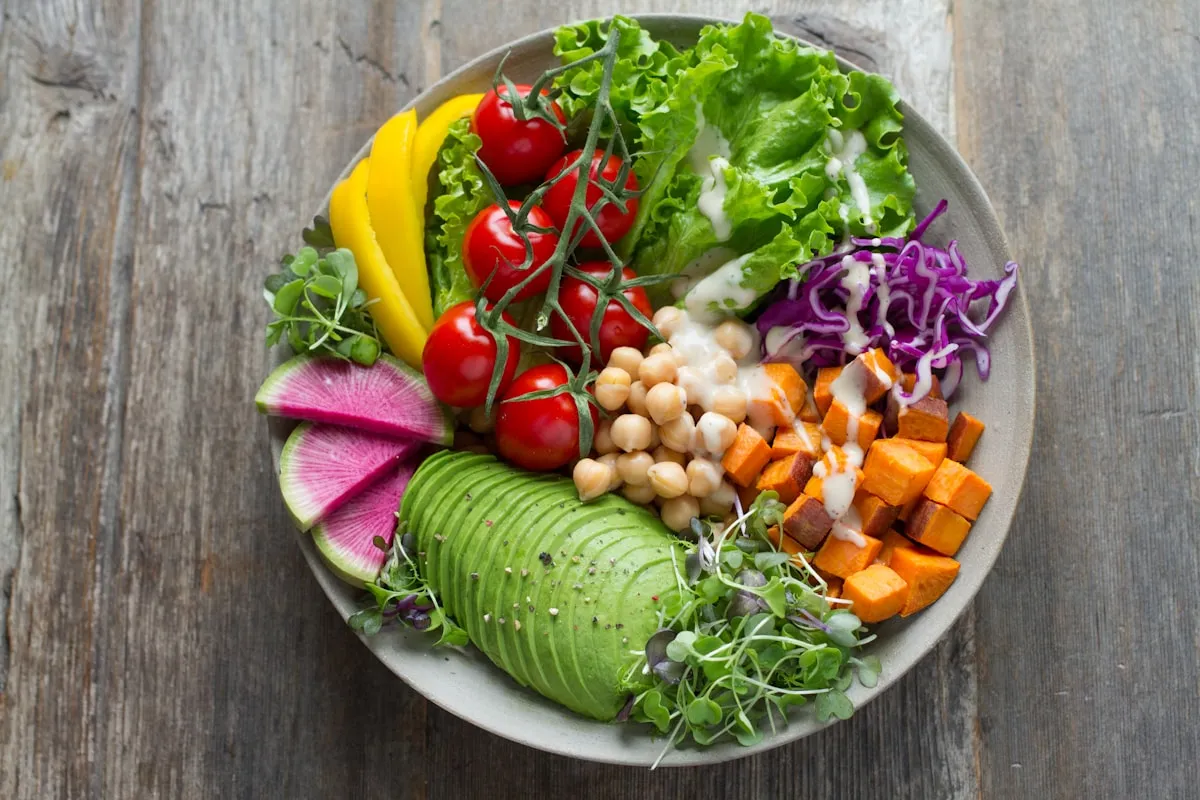
Let’s be honest: your weeknight routine needs a hero that doesn't involve a drive-thru or a sink full of dishes. Enter the 15-minute chickpea salad sandwich. It’s the plant-based answer to the classic tuna salad, but with a profile that’s arguably more sophisticated and infinitely more shelf-stable. If you’re hunting for healthy dinner ideas that satisfy the soul without stealing your entire evening, you’ve just found your new best friend. It’s crunchy, creamy, and surprisingly filling.
The Science of the Perfect Mash
Achieving the right texture in a chickpea salad isn't just about smashing things with a fork; it’s a delicate balance of starch release and structural integrity. When you mash a chickpea, you are essentially rupturing the cellular walls of the legume. This releases internal starches that act as a natural thickener. However, if you go too far and turn the whole bowl into hummus, you lose the "bite" that makes a sandwich satisfying.
I recommend the 80/20 rule. Aim to pulverize about 80% of your chickpeas into a rough paste. This creates a high surface area for your binders: like tahini or mayonnaise: to cling to. The remaining 20% should stay in larger, recognizable chunks. These intact pieces provide the resistance your teeth crave, mimicking the flaky texture of traditional protein salads. Use the back of a sturdy fork or a potato masher, but avoid the food processor unless you’re an expert at the "pulse" button. Over-processing in a machine often leads to a gummy, aerated mess that slides right off your bread.
Beyond the mash, we need to talk about moisture management. Chickpeas are porous little sponges. If you mix your salad and let it sit, those starches we just talked about will continue to drink up any liquid in the bowl. To keep your sandwich from turning into a dry brick by the time you take a bite, ensure your emulsion is robust. A combination of fat (mayo or avocado) and acid (lemon juice or vinegar) is non-negotiable. The acid doesn’t just brighten the flavor; it actually helps to denature some of the proteins in the binders, keeping the mixture creamy rather than oily.
Check your "crunch-to-cream" ratio constantly. While the chickpeas provide the bulk, the addition of finely diced celery or red onion introduces a different kind of structural science. These vegetables contain high water content but are protected by cellulose. When you bite down, they provide a "snap" that contrasts with the soft, starchy chickpea base. This contrast is what makes quick family meals feel complete rather than one-dimensional. Never skip the crunch.
Creative Variations for Every Palate
Once you master the base, the possibilities are essentially endless. Think of the chickpea as a blank, starchy canvas. If you want something with a bit more warmth, try the "Curry Crunch" variation. Swap out your standard herbs for a teaspoon of high-quality yellow curry powder and add a handful of golden raisins. The sweetness of the raisins provides a chemical counterpoint to the earthy, bitter notes of the turmeric and cumin in the curry, creating a complex flavor profile that belies the 15-minute prep time.
For those who want to skip the mayo entirely, the "Avocado Smash" is a brilliant alternative. Avocado provides the necessary fat for a creamy mouthfeel, but it also brings a dose of healthy monounsaturated fats. Because avocado oxidizes (turns brown) when exposed to air, you must increase your citrus levels. Doubling the lime juice not only prevents the color change through enzymatic browning inhibition but also cuts through the richness of the fruit. This is one of those healthy dinner ideas that works just as well in a wrap or scooped onto crackers.
If you’re feeling bold, go the Mediterranean route. Incorporate capers, sun-dried tomatoes, and a splash of the oil from the tomato jar. The capers bring a massive hit of brine and acidity that wakes up the earthy legumes. This version is particularly good if you’re using heartier bread, like a seeded sourdough, which can stand up to the bolder, oilier ingredients. It’s a great way to use up those half-empty jars in the back of your fridge while keeping your kitchen efficiency at an all-time high.
Elevating the Plate: Side Dish Pairings
A sandwich is only as good as its companions. Since the chickpea salad is relatively dense and earthy, you want a side dish that provides high acidity and a light footedness. A simple arugula salad with a sharp lemon vinaigrette is my go-to. The peppery notes of the arugula act as a palate cleanser between bites of the rich, creamy sandwich.
If you want something warm but still fast, look toward your small appliances. While we aren't cooking the chickpeas today, you can find plenty of air fryer recipes dinner options on our site to round out a meal. A side of quick air-fried zucchini fries or even just a handful of kale chips can add that "fried" satisfaction without the heavy oil. The goal is balance: if the sandwich is soft and savory, the side should be crisp and tart. This contrast ensures that the meal doesn't feel monotonous, which is the secret to making quick family meals that everyone actually gets excited about.
Frequently Asked Questions
Why is my chickpea salad so bland?
Flavor in legumes needs to be "pushed" because they are naturally quite neutral. If your salad tastes flat, you’re likely missing acidity or salt. Chickpeas require a surprising amount of salt to sing. Additionally, acidity (lemon juice, pickle brine, or vinegar) is what translates the flavors to your taste buds. Think of acid as the volume knob for flavor: turn it up until you can actually "hear" the ingredients.
Can I make this ahead of time?
Absolutely, but with a scientific caveat. As the salad sits in the fridge, the chickpeas will continue to absorb moisture. If you make it 24 hours in advance, you might find it’s a bit drier than when you first mixed it. Simply stir in an extra teaspoon of mayo, yogurt, or a squeeze of lemon right before serving to loosen the emulsion and restore that creamy texture.
My sandwich is soggy. What happened?
Sogginess is usually a bread-management issue rather than a salad issue. If you’re packing this for lunch, create a "moisture barrier." Put a large, dry lettuce leaf on both pieces of bread before adding the chickpea mixture. This prevents the moisture from the salad from migrating into the bread fibers. Also, toast your bread! Toasting creates a charred, dehydrated surface that resists liquid absorption much better than soft, untoasted bread.
Can I use dried chickpeas instead of canned?
You can, but it defeats the "15-minute" purpose of this specific guide. If you do use dried, they must be soaked and cooked until they are very tender: slightly overcooked is actually better for mashing. Canned chickpeas are pressure-cooked in the can, which often results in a more consistent texture for mashing than home-boiled ones. If you're looking for more hands-off ways to prep proteins, check out our air fryer recipes dinner for other low-effort inspirations.
How long does the salad stay fresh?
In an airtight container, it will stay safe and delicious for about 3 to 5 days. However, the aromatics (like red onion or garlic) will become more potent over time. If you’re sensitive to strong onion flavor, consider soaking your diced onions in cold water for 10 minutes before adding them to the mix: this leeches out the harsh sulfur compounds, keeping your multi-day leftovers much friendlier to your breath.